Chimney Crown Repair Cost in Seattle 2026: Full Pricing Guide
What Does Chimney Crown Repair Cost in Seattle in 2026?
Chimney crown repair in Seattle costs between $195 and $1,800 in 2026, depending on the severity of cracking and whether the crown needs patching or full replacement. Based on 210+ crown repairs our team completed across the Seattle metro area in the past 12 months, here's the breakdown: minor crack sealing with elastomeric crown coat averages $195–$350; moderate repair with resurfacing runs $375–$650; and a full concrete crown rebuild — demolishing the old crown and pouring a new one with proper overhang — costs $950–$1,800. Homes in Fremont, Greenwood, and Ravenna with larger multi-flue chimneys trend toward the higher tier. Current as of August 2026.
A Real Crown Repair: Sandra K. in Fremont
Sandra K. spotted a thin dark line running across the top of her chimney last spring while cleaning gutters on her 1952 Fremont bungalow. She wasn't sure if it was serious, so she searched "chimney crown crack Seattle" and found our site. She booked a Level 1 inspection, primarily to get clarity on whether she needed to act before summer ended.
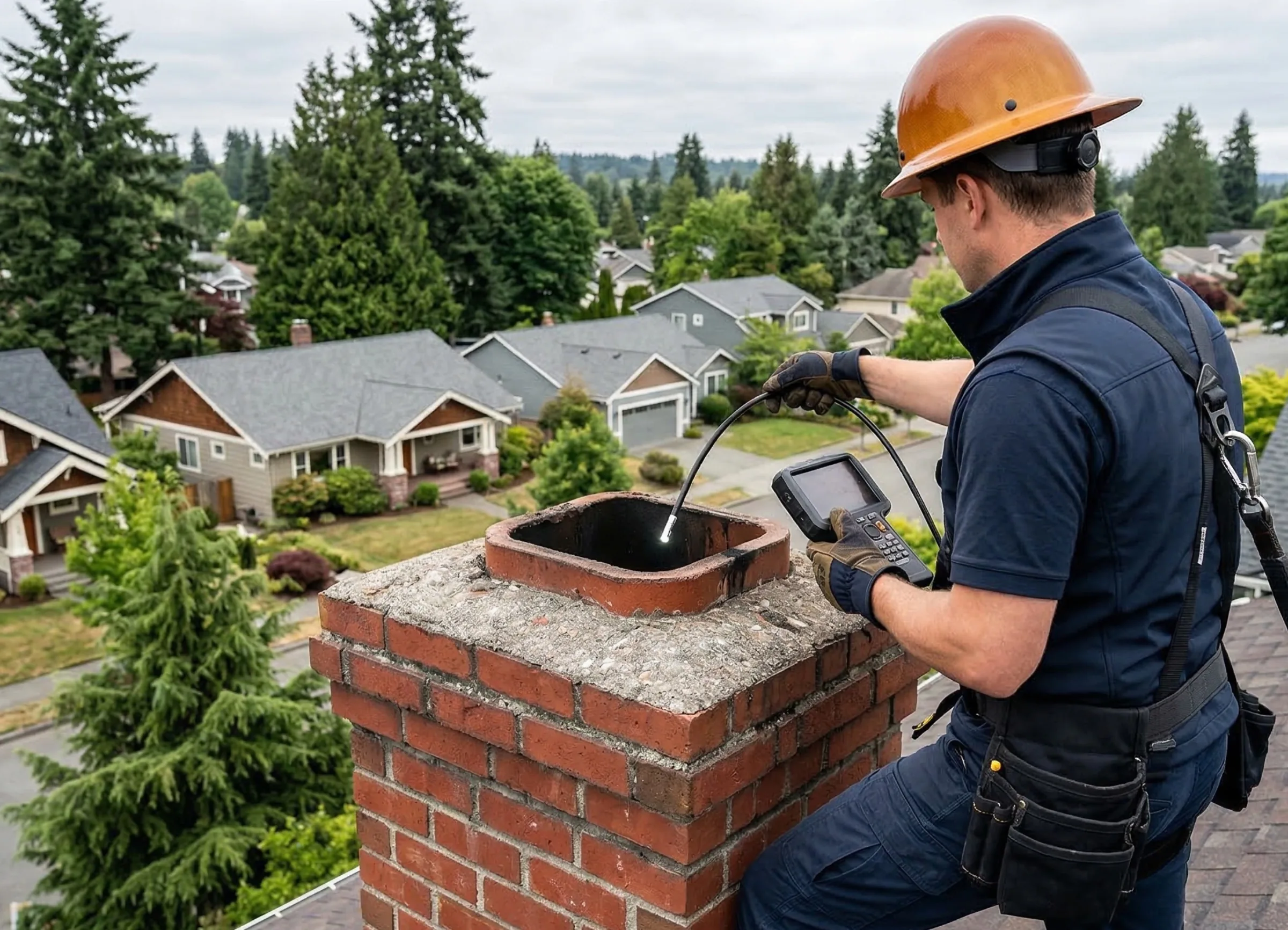
Alex arrived on a clear July morning and climbed to the crown with a probe tool and inspection camera. What he found was more than a surface crack: the crown had no drip edge — a common omission on Seattle homes built before building codes required it — which meant 70 years of rainwater had been running directly down the brick face. Two large cracks had opened, and in several spots the concrete had spalled away entirely, exposing the flue liner's top edge.
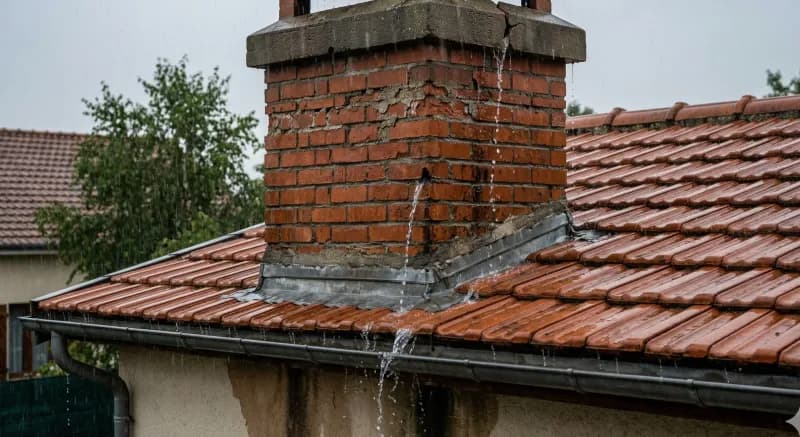
"A crown without a proper drip edge overhang is like a house without gutters — all the water goes straight down the wall. Sandra's crown wasn't just cosmetically cracked; it had been directing water into her masonry for decades. We found early signs of spalling about eight courses down from the top."
— Alex, Lead Technician, Seattle Chimney Pros
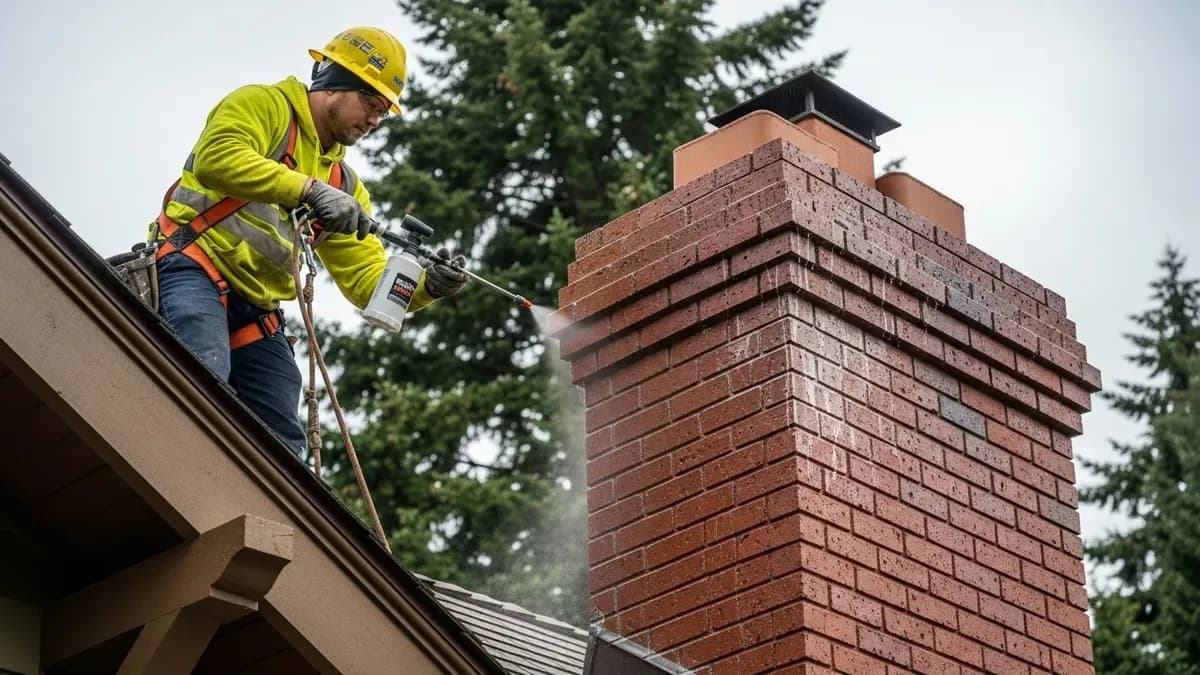
Alex recommended a full crown rebuild rather than patching — the existing concrete was too thin and too compromised to hold a resurfacing coat long-term. The crew returned the following week: demolished the old crown, formed and poured a new 4-inch reinforced concrete crown with a 2-inch drip edge overhang, and sealed the flue liner collar with high-temp caulk. Total cost: $1,150, which included debris removal and a waterproofing treatment on the top six brick courses. Sandra said the project took less than a day: "I expected it to be this big disruptive thing. They were done by 2pm."
What Is a Chimney Crown and Why Does It Matter?
The chimney crown is the concrete or mortar cap that covers the top of the chimney structure, surrounding the flue liner opening. It's the first line of defense against Seattle's near-constant rain — and one of the most commonly neglected chimney components we see across the city.
A properly built crown, per NFPA 211 standards, should:
- Be made of solid Portland cement concrete (not mortar — mortar is too porous)
- Extend at least 2 inches beyond the chimney's brick face on all sides, forming a drip edge
- Slope downward from the flue collar toward the edges to shed water
- Be at least 4 inches thick at the thinnest point
- Seal tightly against the flue liner collar with flexible high-temp caulk (not rigid mortar)
In our experience across 210+ crown repairs, fewer than 30% of chimneys on pre-1990 Seattle homes meet all five of these criteria. Most were built with flat mortar wash crowns — which look fine for 10–15 years and then begin cracking as the mortar absorbs water and freeze-thaw cycles widen the fissures.
How Do You Know If Your Chimney Crown Needs Repair?
Crown damage ranges from cosmetic surface cracks to full structural failure. Here's how to assess what you're dealing with from the ground or during a gutter-cleaning visit:
- Look for visible cracks running across the crown surface. Hairline cracks under 1/8 inch wide are often sealable; cracks wider than 1/4 inch or cracks that follow the joint between the crown and the flue liner indicate structural movement and usually require resurfacing or replacement.
- Check for missing sections or crumbling edges. If pieces of concrete are missing or the crown edge is crumbling, a patch repair is unlikely to hold — plan for a rebuild.
- Look for staining or efflorescence on the upper brick courses. White mineral deposits 1–3 feet below the crown indicate water is entering through crown cracks and wicking through the masonry.
- Check your firebox after heavy rain. Water pooling in the firebox or a wet smoke shelf is a strong indicator of crown failure — though it can also signal flashing issues. A professional inspection distinguishes between the two.
- Schedule a Level 1 inspection before October. NFPA 211 recommends annual chimney inspections. In Seattle, August–September is the optimal time to catch and repair crown damage before fall rains begin.
See our related guide: Signs Your Chimney Needs Repair. For a full inspection, visit our chimney inspection service page.
Chimney Crown Repair Cost Breakdown: Seattle 2026 Pricing Tiers
Here's how we price crown repair based on damage level, based on our 2026 job data across 45 Seattle-area communities:
| Damage Level | What's Done | Cost Range |
|---|---|---|
| Minor (hairline cracks) | Elastomeric crown coat application | $195–$350 |
| Moderate (wide cracks, spalling) | Crack prep + full resurfacing coat | $375–$650 |
| Severe (missing sections, no drip edge) | Partial rebuild + resurfacing | $650–$950 |
| Full rebuild (demo + new pour) | Demo, form, pour reinforced crown | $950–$1,800 |
| Multi-flue surcharge | Larger crown surface area + materials | +$150–$350 |
Many homeowners save money by combining crown repair with other chimney work during the same visit. Our average bundled crown + flashing repair job runs $950–$1,400 — compared to $1,200–$1,900 if the two jobs are done separately. Ask about combined-service pricing when you call. Learn more about our chimney repair services and what's included in each visit.
Can I Seal a Chimney Crown Myself? What Products Actually Work?
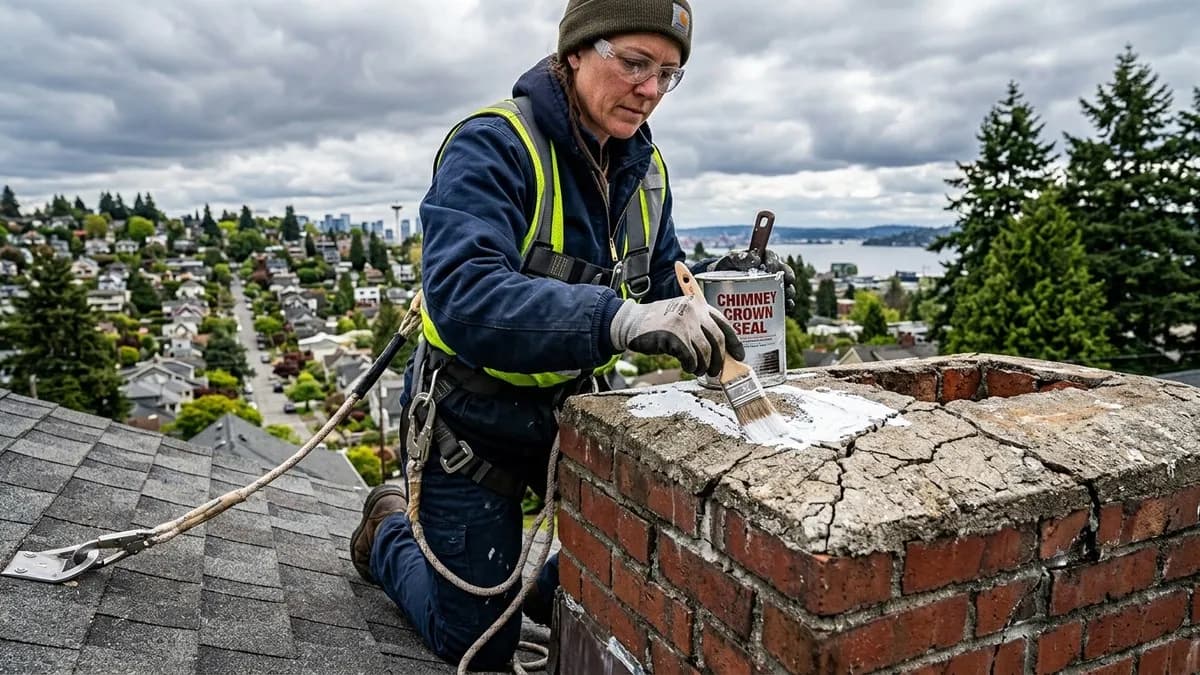
DIY crown sealing is feasible for minor hairline cracks on accessible chimneys — but the product choice matters enormously. Here's what actually holds up in Seattle's climate:
- CrownCoat or ChimneySaver Crown Coat: Elastomeric, flexes with thermal movement, rated for Seattle's freeze-thaw cycles. This is what we use professionally. Available at specialty masonry suppliers. Apply in 2 coats; expect 8–12 years of service on minor cracks.
- Portland cement mortar (DIY mix): Commonly used but problematic — it's rigid, absorbs water, and typically re-cracks within 2–5 Seattle winters. Not recommended.
- Standard silicone caulk: Not rated for the temperature range of an active chimney (can reach 700°F+ at the flue collar). Do not use on the flue collar joint.
- High-temp flue collar caulk: Required at the joint between the crown and the flue liner. Must be rated to at least 1000°F — standard caulk will fail within one heating season.
If the crack is wider than 1/4 inch, spans the full width of the crown, or is located at the flue collar, a professional assessment is strongly recommended before any DIY attempt. Improper sealing can trap moisture inside the crown structure, accelerating freeze-thaw damage. Visit our Fremont chimney services page or Greenwood service area to schedule a professional assessment.
Book Your Crown Inspection Before Seattle's Rainy Season
August is the best month to address chimney crown damage — concrete needs dry, above-45°F conditions to cure properly, and our schedule fills fast in September as homeowners rush to prep before the rains. A crown inspection is included free with any chimney sweep or repair booking.
Call (253) 429-8006 or book online — we're scheduling crown inspections and repairs throughout August across all 45 Seattle-area communities we serve.
Need professional help?
Our professionally trained team is ready. Free estimate, 30-minute response.