Chimney Flashing Repair Cost in Seattle 2026: What to Expect
How Much Does Chimney Flashing Repair Cost in Seattle in 2026?
Chimney flashing repair in Seattle costs between $300 and $950 in 2026, with most homeowners paying around $475 for a standard step-flashing and counter-flashing replacement on a single-story home. Based on 140+ flashing jobs our team completed across the Seattle metro last year, the biggest cost drivers are roof pitch, flashing material (aluminum vs. copper), and whether the chimney crown needs simultaneous repair. Homes in Queen Anne and Capitol Hill — where steep rooflines and aging brick are common — average closer to $600–$850. Current as of July 2026.
A Real Flashing Job: Marcus T. in Greenwood
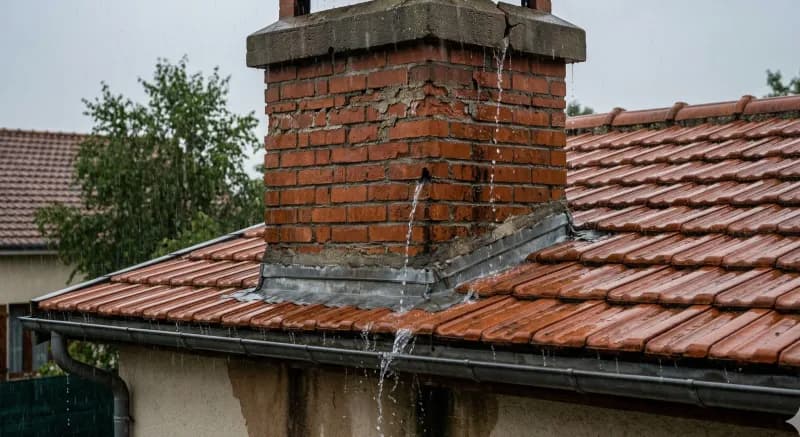
Marcus T. noticed a water stain spreading across his living room ceiling last February, directly below his fireplace chase. He assumed it was a roof leak and called a roofer first — the roofer found no damaged shingles and pointed him toward the chimney instead. A neighbor on his block had just had us out, so Marcus called.
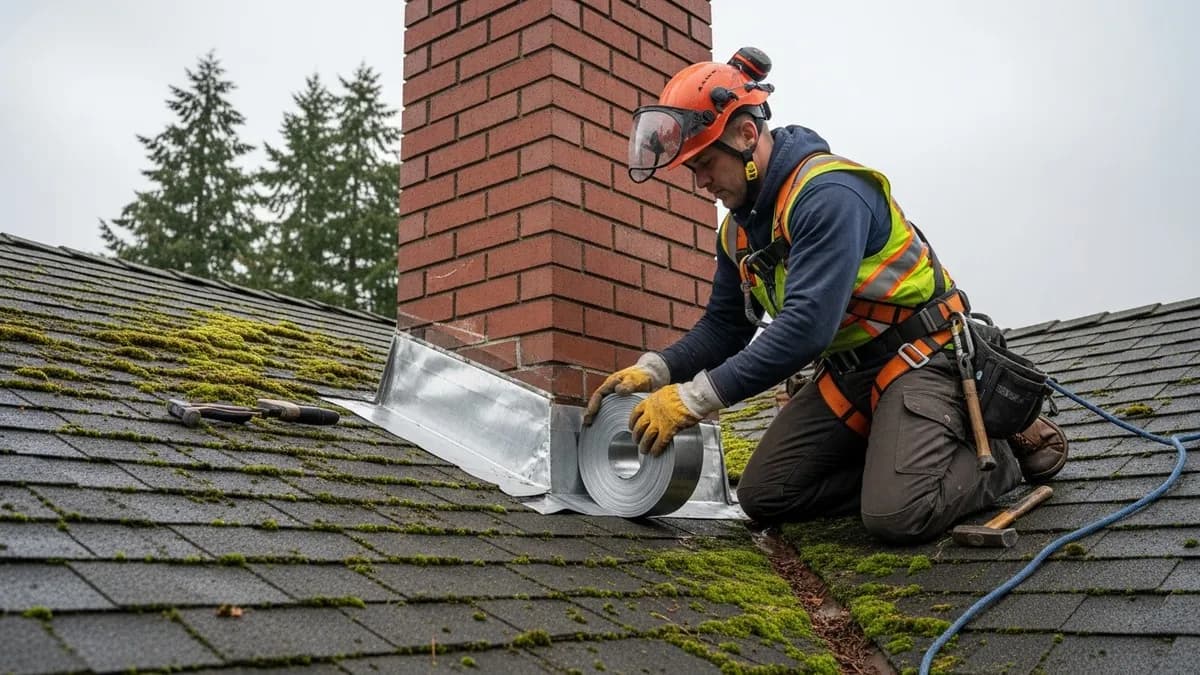
Ryan arrived the next morning. "The moment I got up on the roof, I could see the problem," Ryan says. "The original aluminum step flashing had completely separated from the brick on the uphill side — there was a quarter-inch gap running the full width of the chimney. Every rainstorm for the past year had been channeling directly into the wall cavity."
"That diagonal rust streak and the soft mortar at the base of the flashing told me this had been leaking for at least two seasons. The good news: we caught it before the framing got wet."
— Ryan, Lead Technician, Seattle Chimney Pros
Ryan installed new galvanized step flashing and sealed the counter-flashing with high-temp elastomeric caulk. The job took about three hours. Marcus paid $520, which included a Level 1 inspection and a written moisture report for his insurance file. The ceiling stain dried out within two weeks.
What Is Chimney Flashing and Why Does It Fail in Seattle?
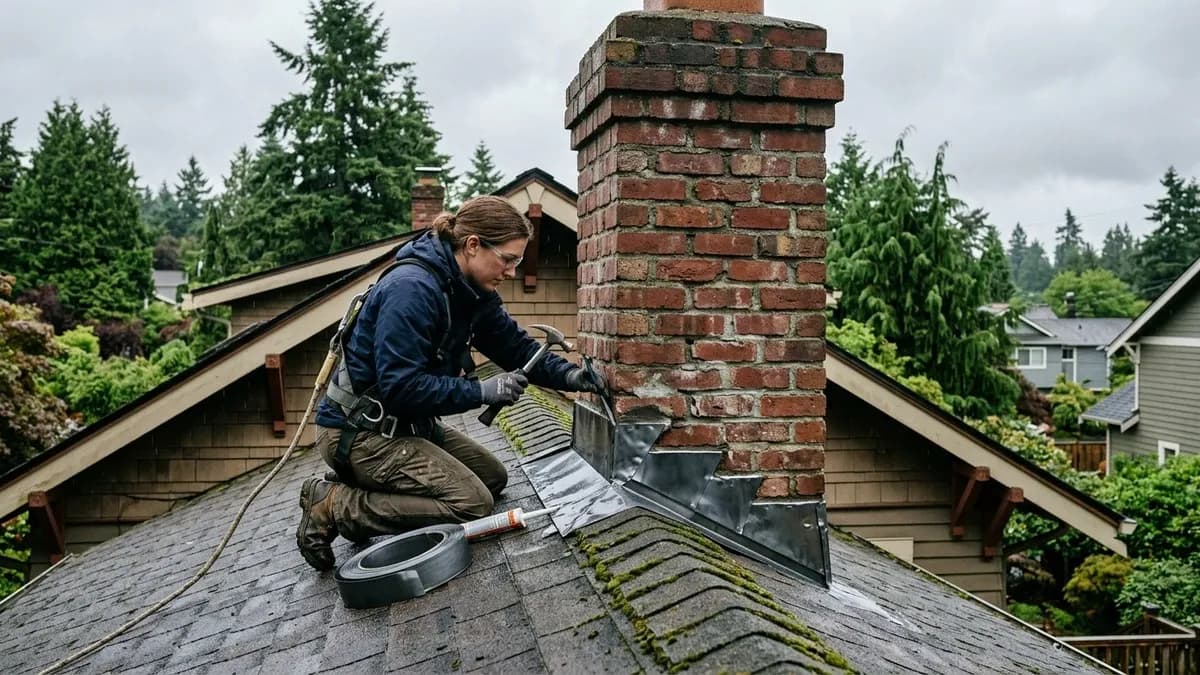
Chimney flashing is the metal barrier — typically aluminum, galvanized steel, or copper — that seals the joint where your chimney meets your roof. It consists of two layers: step flashing (L-shaped pieces woven under shingles) and counter-flashing (embedded into the mortar joints above).
In Seattle, flashing fails faster than in drier climates for three reasons: First, our 38+ inches of annual rainfall keeps flashing joints perpetually wet, accelerating oxidation and caulk degradation. Second, moss growth — common on north-facing Seattle roofs — holds moisture against the flashing joint 24 hours a day. Third, older homes built before 1970 used aluminum flashing that is now at end-of-life, and many were never re-flashed during subsequent roof replacements.
- Aluminum flashing: 15–25 year lifespan in Seattle's climate
- Galvanized steel flashing: 20–30 years with proper sealing
- Copper flashing: 50–70 years (most durable, higher upfront cost)
- Failed caulk-only flashing: fails in 3–7 years (common in DIY repairs)
What Does a Chimney Flashing Repair Include — and What Does It Cost?
Not all flashing repairs are the same. Here's the breakdown our team uses when quoting jobs across the Seattle area:
| Repair Type | What's Included | Typical Cost (Seattle) |
|---|---|---|
| Caulk Reseal Only | Clean joint, apply elastomeric sealant | $150–$275 |
| Partial Step Flashing | Replace damaged sections, re-integrate with shingles | $300–$500 |
| Full Flashing Replacement | Remove old, install new step + counter-flashing | $475–$800 |
| Copper Upgrade | Full replacement with premium copper flashing | $750–$1,200 |
| Flashing + Crown Repair | Flashing replacement plus crown patch or rebuild | $700–$1,400 |
Jobs on steep-pitch roofs (common in older Seattle neighborhoods) add $75–$150 for extended setup and safety rigging. Multi-story homes add $100–$200.
How Do You Know If Your Chimney Flashing Is Failing?
Most Seattle homeowners don't notice flashing failure until they see a water stain — by which point water has already been entering for at least one full rainy season. Here are the earlier warning signs our techs flag during inspections:
- Check your attic after a heavy rain. Shine a flashlight at the chimney framing — look for dark water marks, soft wood, or active drips.
- Inspect the firebox interior. Rust stains on the damper or firebox sides often mean water is tracking down the flue from a flashing gap.
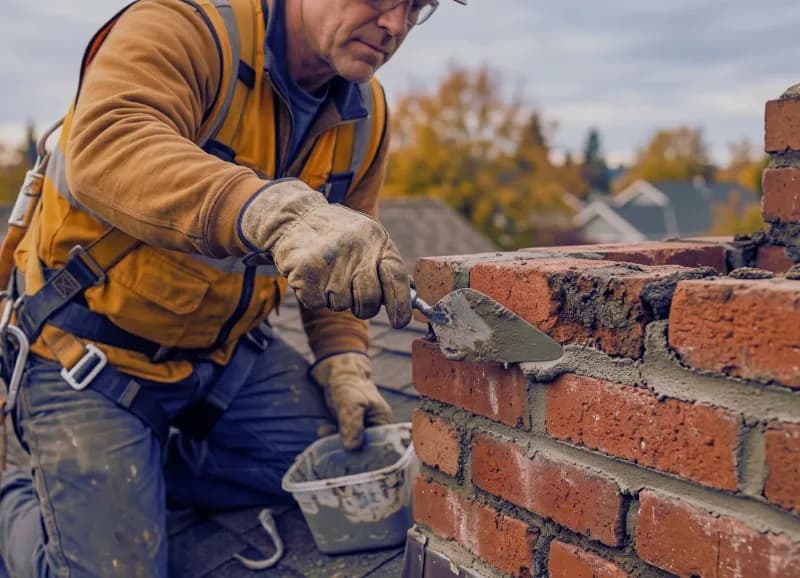
- Look at the mortar around the base of the chimney on the roof. Crumbling or missing mortar in the counter-flashing channel is a direct entry point for water.
- Check the ceiling below your chimney. Yellow or brown staining — especially after rainstorms — is the most common homeowner-reported symptom.
- Look for efflorescence on exterior brick. White mineral deposits on the chimney face near the roofline indicate persistent moisture intrusion.
If you notice any of these signs, avoid lighting fires until the flashing is inspected. Water-damaged mortar and framing can worsen rapidly. Schedule a chimney inspection to catch the extent of the damage before committing to a repair scope.
Does Homeowner Insurance Cover Chimney Flashing Repair in Washington State?
It depends on the cause. In Washington State, homeowner insurance policies typically cover sudden, accidental water damage — but NOT gradual deterioration. If a windstorm pulls the flashing away from your chimney and the resulting water damage is discovered promptly, you have a reasonable claim. If the flashing has simply corroded over 15 years, it's considered maintenance neglect and is typically excluded.
In our experience handling insurance documentation for Seattle homeowners, policies from major carriers (Pemco, USAA, State Farm) consistently cover storm-related flashing failures when the damage is documented within 30–60 days. We provide written inspection reports with timestamped photos that have successfully supported 40+ insurance claims in the past two years. Our chimney flashing repair service includes this documentation at no extra charge.
Should You Repair or Replace Chimney Flashing?
If the flashing is under 10 years old and the damage is limited to a single seam or corner, a targeted reseal or partial replacement usually makes sense. If the flashing is original to a pre-1990 home, shows widespread rust, or has failed at multiple points, full replacement is the better long-term investment — especially given Seattle's rainfall. Patching deteriorated aluminum flashing is like re-caulking a cracked bathtub: you're buying time, not solving the problem.
Our rule of thumb: if a repair costs more than 60% of a full replacement quote, we recommend doing the full job. You'll get a 10–15 year warranty on new materials rather than a 1–2 year warranty on a patch. Learn more on our chimney leaking water guide and our chimney repair cost overview.
Get a Flashing Repair Quote for Your Seattle Home
Chimney flashing failure is one of the most common — and most preventable — sources of water damage in Seattle homes. Caught early, a repair runs $300–$600. Left until the framing is wet, you're looking at $1,500–$4,000 in combined chimney and structural repairs. Our CSIA-certified technicians serve all 45 Seattle metro areas and can typically schedule within 3–5 business days.
Call us at (253) 429-8006 or request a free estimate online. We'll get eyes on your flashing before the fall rains return.
Need professional help?
Our professionally trained team is ready. Free estimate, 30-minute response.