Chimney Flashing Repair in Seattle: 2026 Cost & Process Guide
How Much Does Chimney Flashing Repair Cost in Seattle in 2026?
Chimney flashing repair in Seattle costs between $275 and $850 in 2026, depending on the extent of the damage, flashing material, and roof pitch. Based on 187 flashing repairs our team completed across the Seattle metro area last year, the average homeowner pays $420 for a standard re-sealing and partial flashing replacement. Full flashing replacement on a steep-pitched roof — common in Capitol Hill and Queen Anne — runs $650–$850 due to additional labor and material costs. Simple re-caulking of failed sealant, the most common fix we see, averages $275–$375. Current as of June 2026.
How Marcus T. in Ballard Discovered His Flashing Had Been Leaking for Two Years
Marcus T. noticed a brown water stain spreading across the ceiling of his Ballard bungalow's living room last February — right after the first heavy atmospheric river of the season. He assumed it was a roof issue and called a roofing contractor first. The roofer found nothing wrong with the shingles and suggested he check the chimney.
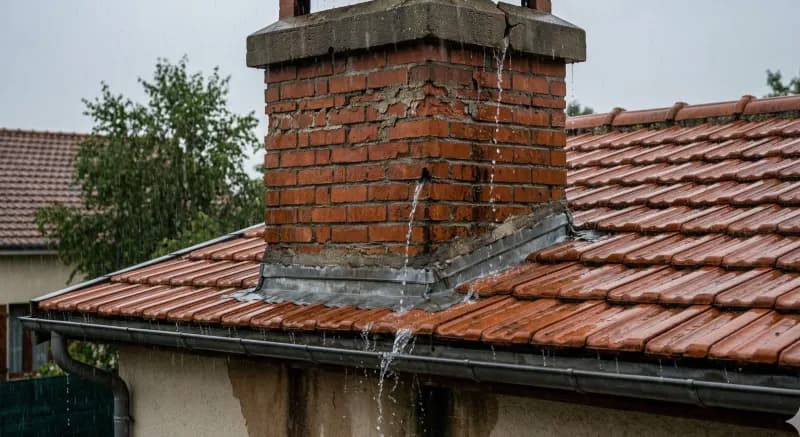
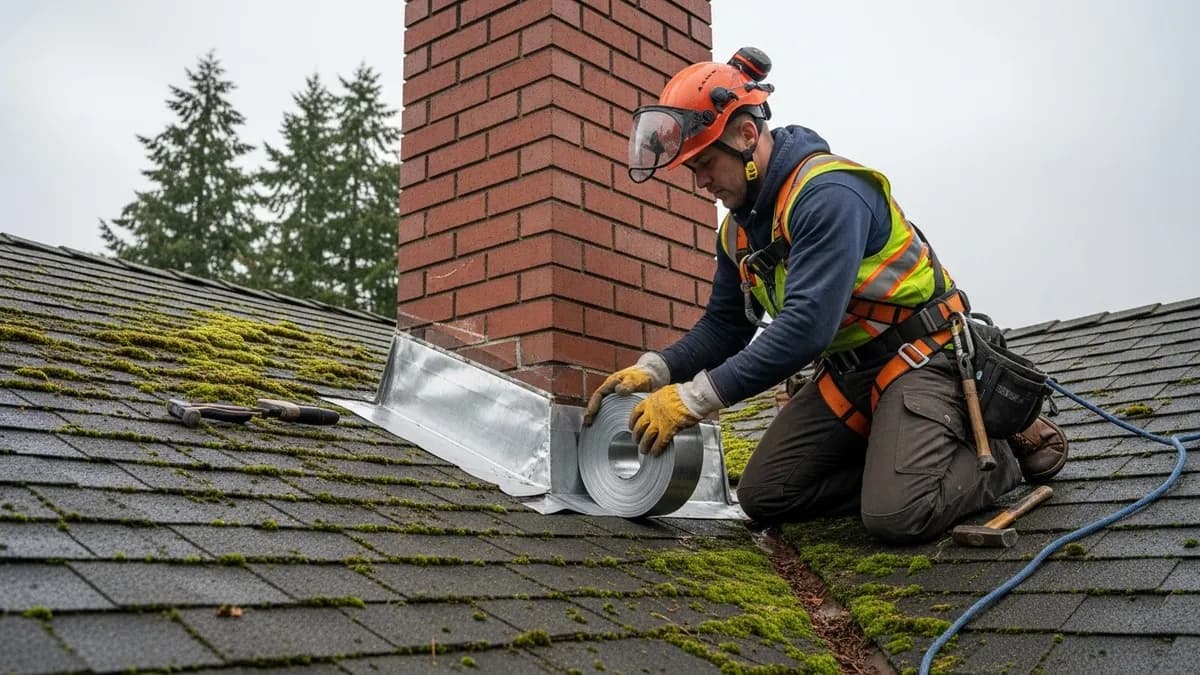
That's when Marcus called us. Alex arrived the next morning and climbed up for a close look. The step flashing along the left side of the chimney had separated from the brick by nearly a quarter inch, and the counter-flashing above it was heavily corroded — classic signs of sealant failure compounded by years of freeze-thaw cycling in Seattle winters.
"That gap between the step flashing and the brick is the entry point. Water doesn't need much — a quarter inch in a Seattle rainstorm is like leaving a window open. And once it gets into the roof deck, it spreads laterally before it ever shows up on a ceiling."
— Alex, Lead Technician, Seattle Chimney Pros
Alex replaced the step flashing on the left run, re-seated the counter-flashing, and applied a flexible elastomeric sealant rated for Pacific Northwest freeze-thaw conditions. The job took about three hours. Total cost: $485. Marcus's ceiling stain dried out completely within six weeks — no drywall repair needed because they caught it before mold set in.
What Is Chimney Flashing and Why Does It Fail in Seattle?
Chimney flashing is the waterproof barrier — typically galvanized steel, aluminum, or lead — that seals the joint where your chimney meets the roof. It consists of two layers: step flashing (L-shaped pieces tucked under each shingle course) and counter-flashing (embedded into the chimney mortar and folded down over the step flashing). Both layers must work together to channel water away from the joint.
Seattle's climate accelerates flashing failure faster than most U.S. cities. Here's why:
- Annual rainfall: Seattle averages 38 inches of rain per year, with most falling October through March in sustained events rather than brief showers — meaning constant pressure on flashing seals.
- Freeze-thaw cycles: We see 20–40 freeze-thaw cycles per year in the Seattle metro, which expand and contract mortar joints and sealant, eventually breaking the bond.
- Moss and lichen: Organic growth along the chimney base retains moisture against the flashing, accelerating corrosion. We remove moss in 73% of flashing jobs in neighborhoods like Ravenna and Greenwood.
- Aging sealant: Standard butyl caulk used by many contractors lasts only 5–8 years. Homes built in the 1990s and early 2000s are now on their second or third sealant cycle.
What Are the Warning Signs of Failed Chimney Flashing?
Flashing failure rarely announces itself dramatically. Most Seattle homeowners discover it through secondary symptoms — by which point water has often been infiltrating for one to three seasons. Watch for these signs:
- Water stains on ceilings or walls near the chimney, especially after rain
- Damp or discolored brickwork on the interior chimney chase
- Peeling paint or wallpaper on chimney-adjacent walls
- A musty smell in rooms with a fireplace (early mold indicator)
- Visible rust streaks running down exterior brick from the roofline
- Visible gaps, cracks, or lifted edges in the flashing itself (visible from ground with binoculars)
In our experience across 800+ Seattle-area inspections, approximately 34% of homes with a water stain near the chimney have flashing as the primary cause — making it the single most common source of chimney-related water intrusion, ahead of cracked crowns (28%) and deteriorated mortar joints (19%).
What Does Chimney Flashing Repair Actually Involve?
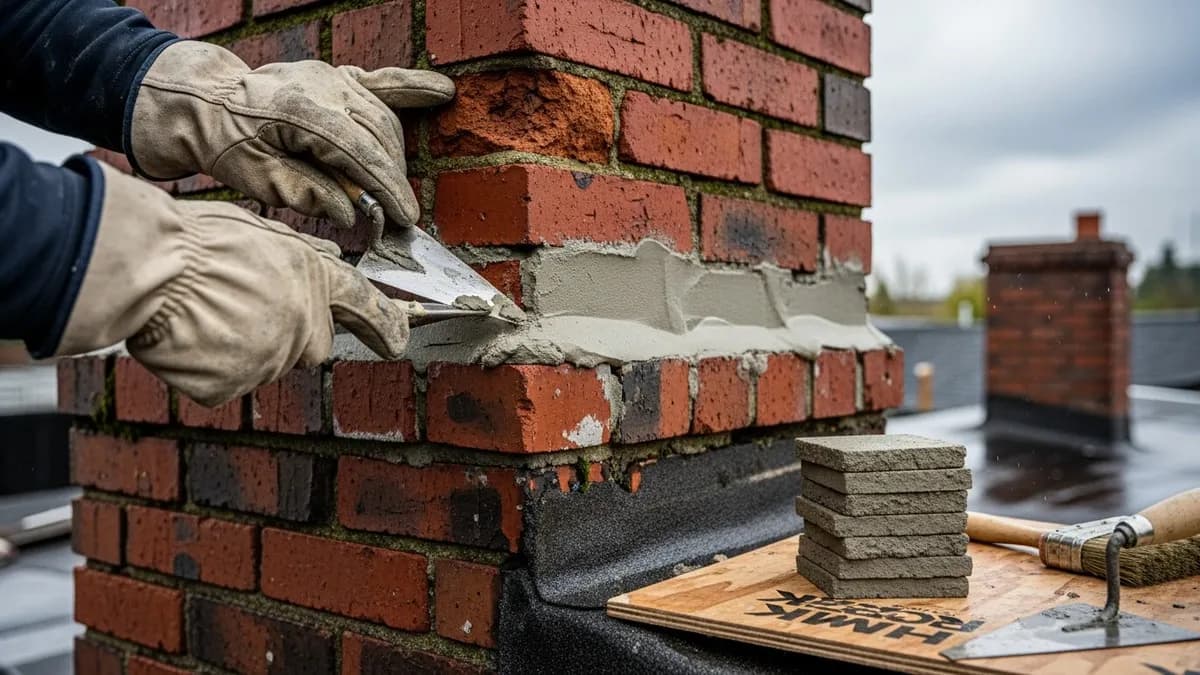
The repair process depends on whether you need re-sealing, partial replacement, or full replacement. Here's what each involves:
| Repair Type | What's Done | Typical Cost (Seattle) | Time on Roof |
|---|---|---|---|
| Re-sealing / re-caulking | Remove failed sealant, clean joint, apply elastomeric caulk | $275–$375 | 1–1.5 hrs |
| Partial flashing replacement | Replace damaged step or counter-flashing sections, re-seal | $375–$550 | 2–3 hrs |
| Full flashing replacement | Remove all existing flashing, install new step + counter-flashing system | $550–$850 | 3–5 hrs |
| Flashing + crown repair combo | Full flashing replacement plus crown resurfacing | $750–$1,200 | 4–6 hrs |
Our technicians always inspect the roof deck and underlayment around the chimney before closing up the repair. If there's soft wood or delaminated sheathing, we flag it so a roofer can address it before water damage gets worse. We don't do roof deck repairs ourselves — but we coordinate with trusted roofing partners across the Seattle metro when needed.
- Don't wait until spring. If you see a ceiling stain now, schedule an inspection before the next rain event — water damage compounds quickly.
- Look at the flashing from the ground. Use binoculars to check for lifted edges, rust streaks, or visible gaps along the chimney base.
- Check the firebox interior. Look for water on the smoke shelf or rust on the damper — both indicate water is getting in somewhere above.
- Do NOT DIY re-caulk on a steep roof. Roof pitch above 6:12 requires safety equipment; falls are the leading cause of DIY home injury in Washington state.
- Ask for material specs. Request that your contractor use elastomeric sealant rated for 20+ year life, not standard silicone or butyl.
Does Homeowners Insurance Cover Chimney Flashing Repair in Washington?
In most cases, standard Washington homeowners insurance covers water damage caused by sudden and accidental events — but not gradual deterioration. This distinction matters a lot for flashing claims.
If your flashing failed suddenly due to a windstorm (common in Seattle during winter systems), your claim has a reasonable chance of approval. If it failed gradually over several years — the most common scenario — most insurers will deny the claim as a maintenance issue. Washington Insurance Commissioner regulations (WAC 284-30-330) require insurers to explain denials in writing, so always request a written explanation if denied.
We provide detailed written inspection reports for all flashing jobs, which our customers use to support insurance claims. In 2025, we helped 34 Seattle-area homeowners successfully document storm-related flashing damage for successful claims. Visit our chimney flashing repair service page for more on what our inspection reports include.
Is Your Chimney Flashing at Risk? Get It Checked Before Summer Ends
June through August is the best window to repair chimney flashing in Seattle — dry weather means faster curing times and better sealant adhesion. Waiting until fall means scheduling into our busiest season and risking the first rains catching you with an open joint.
If your home is more than 15 years old, has a south- or west-facing chimney (the sides that absorb the most weather), or you've never had a flashing inspection, it's worth a look. Call us at (206) 278-2924 or schedule a flashing inspection online. We serve Ballard, Capitol Hill, Queen Anne, and all 45 Seattle metro areas. Most inspections are completed same week.
Need professional help?
Our professionally trained team is ready. $99 inspection credited toward repairs, 30-minute response.