Chimney Flashing Repair Cost in Seattle 2026: Full Price Guide
What Does Chimney Flashing Repair Cost in Seattle in 2026?
Chimney flashing repair in Seattle costs between $285 and $950 in 2026, depending on the extent of damage and the type of repair needed. Based on 312 flashing jobs our team completed across the Seattle metro area in the past year, the average homeowner pays $425 for a partial reseal or counter-flashing repair, and $720 for a complete step-flashing replacement on a standard single-story home. Two-story homes and steep-pitch roofs — common in neighborhoods like Magnolia and Queen Anne — typically run $850–$950 due to extended setup time. Current as of July 2026.
A Real Flashing Repair: Diane K. in Magnolia
Diane K. noticed a brown water stain spreading across the ceiling of her Magnolia living room last January, directly below where the chimney meets the roofline. She assumed it was a roofing problem and called a roofer first — who inspected the shingles, found nothing wrong, and suggested she call a chimney company.
Alex arrived on a gray Thursday morning. He was on the roof within five minutes, and the source was immediately obvious.
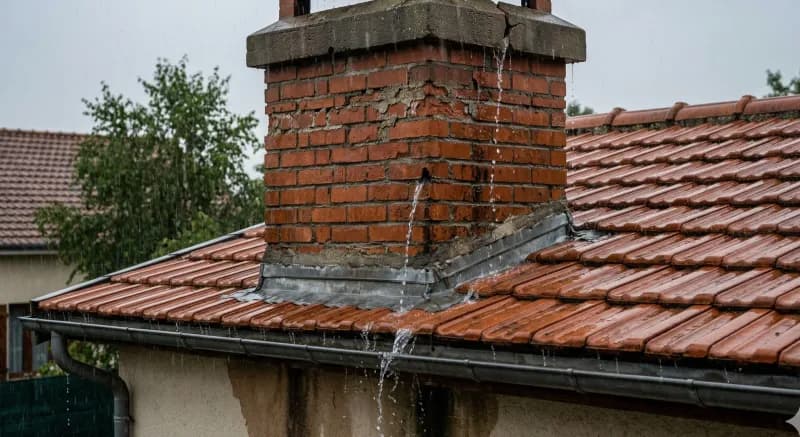
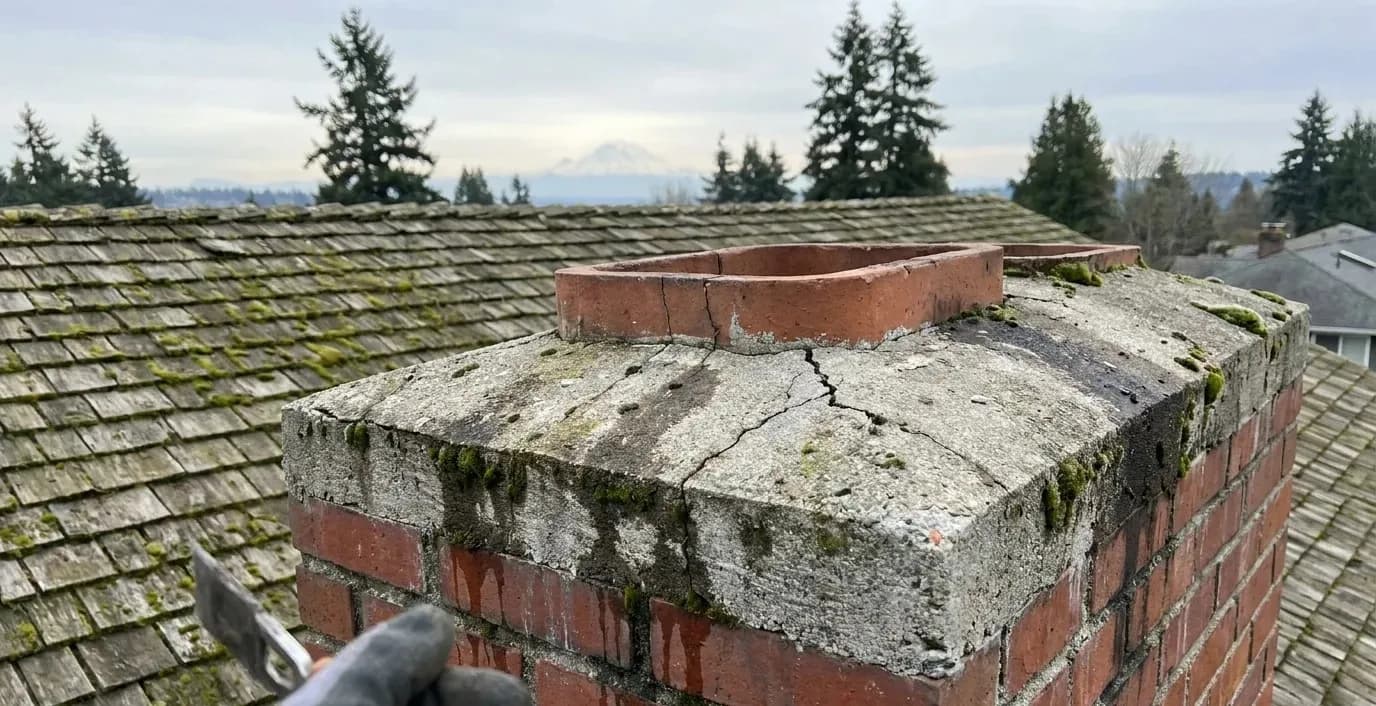
'That diagonal rust streak is classic chimney flashing failure combined with a cracked crown — water was pooling at the top and wicking down through the brick. The counter-flashing had completely separated from the mortar joint on the north side. Every rain event was sending water straight into the wall cavity.'
— Alex, Lead Technician, Seattle Chimney Pros
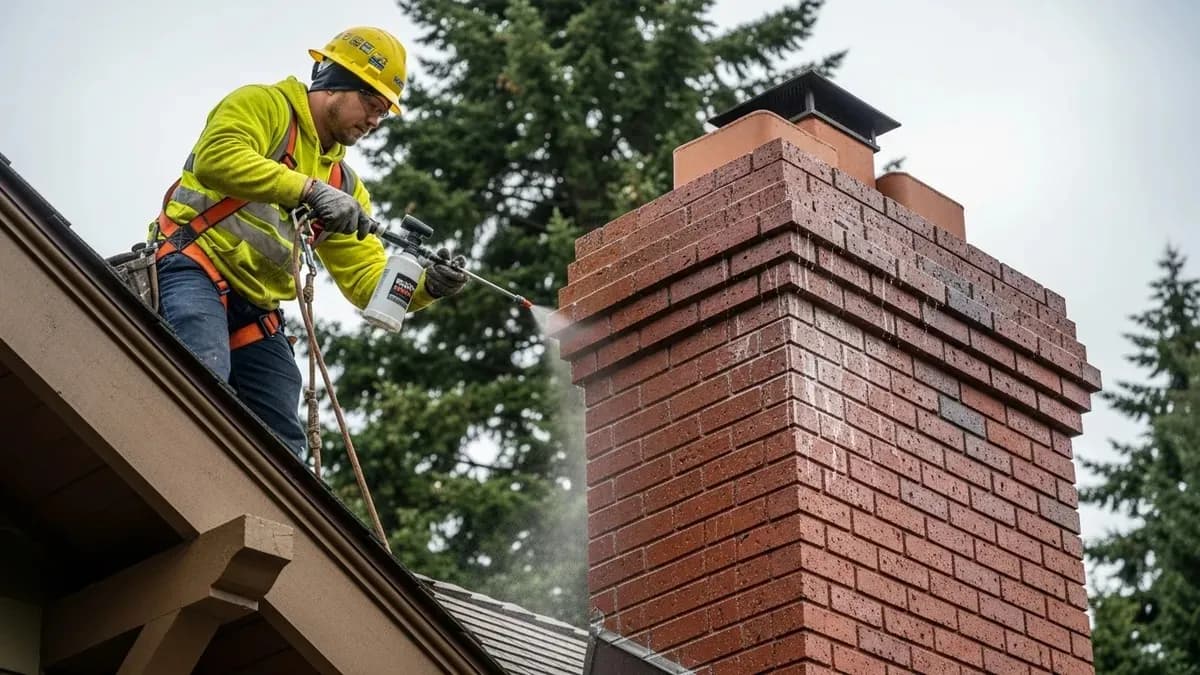
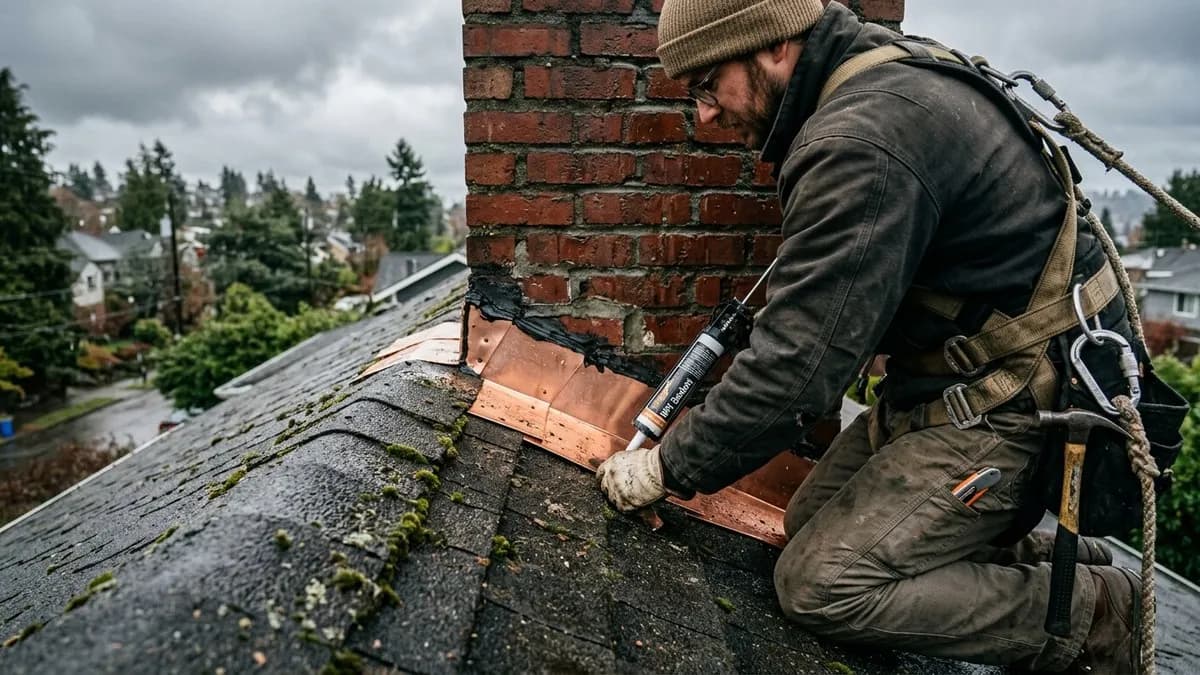
The repair involved removing the failed counter-flashing, repointing the mortar chase, installing new aluminum step and counter-flashing, and sealing the crown. Total time: three hours. Total cost: $685. Diane had the stain repainted two weeks later after confirming the leak was resolved through two subsequent rain events. 'Three weeks ago I thought I needed a new roof,' she said. 'Turns out it was the chimney the whole time.'
What Is Chimney Flashing and Why Does It Fail in Seattle?
Chimney flashing is the waterproof seal — typically sheet metal — that bridges the gap between your chimney and your roof. It consists of two layers: step flashing (woven into shingles along the sides) and counter-flashing (embedded in the chimney mortar joints above). Seattle's climate accelerates flashing failure in several specific ways:
- Freeze-thaw cycling: Even mild Seattle winters produce repeated freeze-thaw cycles that expand and contract mortar joints, eventually loosening counter-flashing anchors
- Sustained rain exposure: Seattle averages 37+ inches of rain annually — flashing sealants that might last 10 years in a dry climate often fail in 5–7 years here
- Moss and organic growth: Moss on Seattle rooflines holds moisture against flashing 24/7, accelerating rust and sealant degradation
- Settling and movement: Older Seattle homes on hillside lots experience more structural movement, which stresses the flashing-mortar interface
In our inspection data, 41% of Seattle homes with chimneys older than 20 years show at least minor flashing deterioration. Among homes that report ceiling water stains near the chimney, flashing is the confirmed cause in 73% of cases.
What Are the Types of Chimney Flashing Repairs and Their Costs?
Not all flashing repairs are equal. The scope depends on what's actually failed. Here's how Seattle repair costs break down by repair type in 2026:
| Repair Type | What It Involves | Seattle Cost Range |
|---|---|---|
| Reseal only | Apply new elastomeric sealant to existing flashing | $285–$425 |
| Counter-flashing repair | Remove, repoint mortar, reinstall counter-flashing | $425–$650 |
| Full step + counter replacement | Remove old flashing, install new step and counter | $650–$950 |
| Saddle/cricket installation | Build diverter behind wide chimney to redirect water | $750–$1,200 |
A simple reseal is appropriate only when the flashing metal itself is structurally sound and the sealant has simply dried out or cracked. If the metal is rusted, kinked, or has separated from the mortar, replacement is the right call. Resealing failed flashing is the most common chimney repair mistake we see — it delays the inevitable by 1–2 years and typically means paying for the same job twice.
How Do You Know If Your Chimney Flashing Needs Repair?
Flashing problems are often invisible from ground level. Here's what to look for — and what to do if you spot any of these signs:
- Water stains on interior walls or ceiling near the chimney — This is the most common first sign. The stain often appears several feet away from the chimney because water travels along framing before soaking through drywall.
- Rust streaks on brick below roofline — Orange-brown vertical streaks on chimney brick usually indicate rusting step flashing or a failed counter-flashing anchor point.
- Visible gaps between flashing and mortar — If you can see daylight or separation from the ground, water is almost certainly already getting in.
- Bubbling or peeling paint on walls adjacent to the chimney — Moisture behind the wall surface often manifests as paint failure before visible staining occurs.
- Musty odor in the room with the fireplace — Mold growth inside the wall cavity is a downstream sign of months of water intrusion through failed flashing.
If you notice any of these signs, do not delay. Seattle's rainy season runs October through April, and each rain event compounds the damage. A $425 reseal job left for one season can become a $2,000–$4,000 water damage remediation project. See our guide to chimney leaks for a full diagnostic walkthrough.
Can You Repair Chimney Flashing Yourself in Seattle?
DIY flashing repairs are possible for skilled homeowners with roofing experience, but they come with significant caveats in Seattle specifically. Here's the honest breakdown:
- What you can do yourself: Apply new roofing sealant over intact, structurally sound flashing. This is a legitimate short-term fix if the metal is in good shape.
- What requires a professional: Any repair involving removing and reinstalling counter-flashing requires repointing mortar joints — masonry work that affects the structural integrity of the chimney.
- Safety: Seattle rooftops are wet and mossy for 7+ months of the year. Rooftop falls are the leading cause of serious home improvement injuries in the Pacific Northwest.
- Warranty implications: DIY flashing work on homes under roof warranty may void coverage. Always check with your roofing contractor before attempting repairs at the chimney-roof junction.
Our recommendation: DIY a temporary sealant application if you're waiting for a scheduled repair appointment, but invest in a proper professional repair before the next rainy season. For chimney flashing repair that lasts, proper mortar repointing and quality metal flashing make the difference between a fix that holds for 2 years and one that holds for 15.
Get Your Chimney Flashing Inspected Before Seattle's Rainy Season
Chimney flashing failure is one of the most underdiagnosed causes of interior water damage in Seattle homes — and one of the most cost-effective repairs when caught early. Our CSIA-certified technicians inspect and repair flashing across all 45 Seattle metro areas, with July and August being the best time to book before fall scheduling fills up. Call (253) 429-8006 or request a free estimate online — we'll have a technician out within the week.
Need professional help?
Our professionally trained team is ready. Free estimate, 30-minute response.