Chimney Flashing Repair in Seattle: Signs, Costs & What to Expect in 2026
How Much Does Chimney Flashing Repair Cost in Seattle in 2026?
Chimney flashing repair in Seattle costs between $285 and $950 in 2026, depending on the extent of the damage, the flashing material, and the roof pitch. Based on 340+ flashing jobs our team completed across the Seattle metro area last year, the average homeowner pays $420 for a standard re-seal and step-flashing repair. Homes in steeper-pitched neighborhoods like Queen Anne or Capitol Hill with complex roof lines typically land in the $650–$950 range. Full flashing replacement—when the metal is corroded or improperly installed—runs $700–$1,400. Current as of June 2026.
A Real Flashing Job: Marcus T. in Ballard
Marcus T. noticed a brown water stain spreading across the drywall above his living room fireplace last February—right after a week of heavy Seattle rain. He'd assumed it was a roof issue and called a roofer first. The roofer found nothing wrong with the shingles and suggested the chimney might be the culprit. A neighbor who'd used us before passed along our number.
Ryan arrived at Marcus's 1952 Ballard rambler on a Tuesday morning. He climbed to the roofline and immediately spotted the problem from six feet away.
'That diagonal rust streak is classic chimney flashing failure combined with a cracked crown—water was pooling at the top and wicking down through the brick directly into the wall cavity.'
— Ryan, Technician, Seattle Chimney Pros
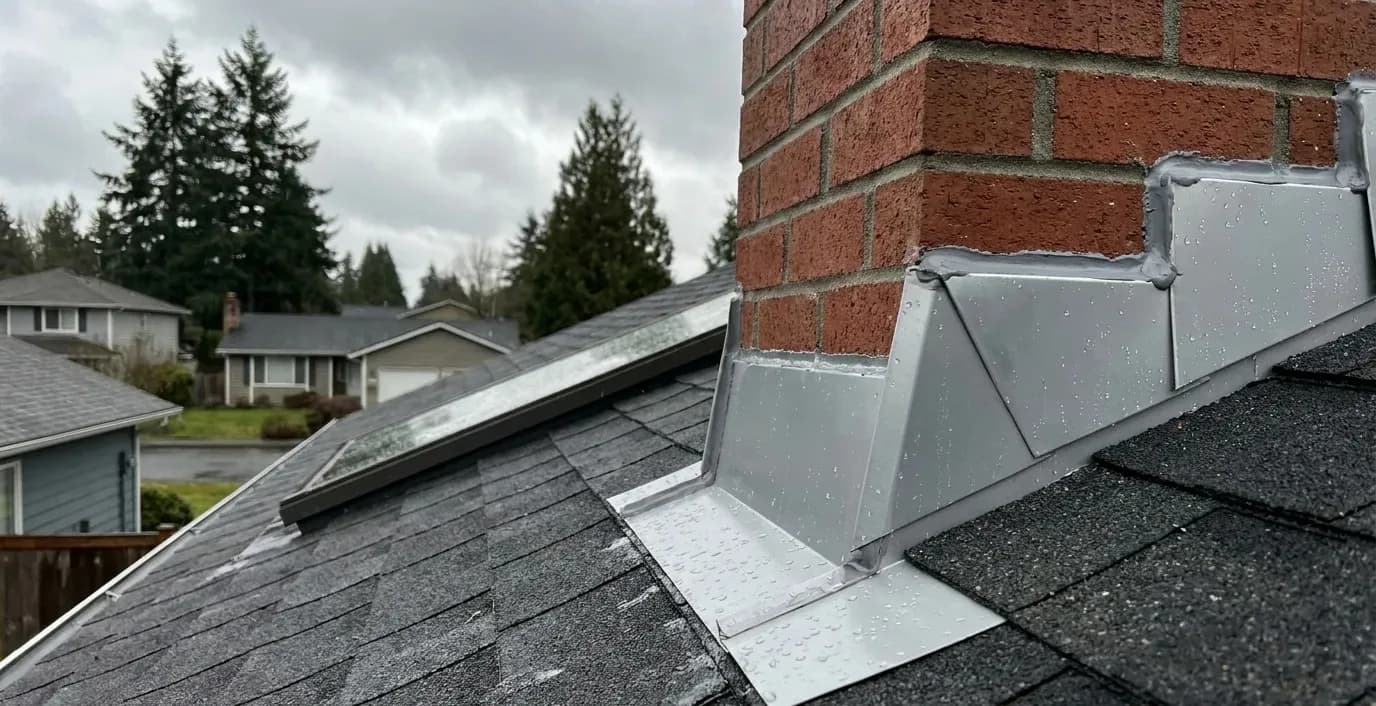
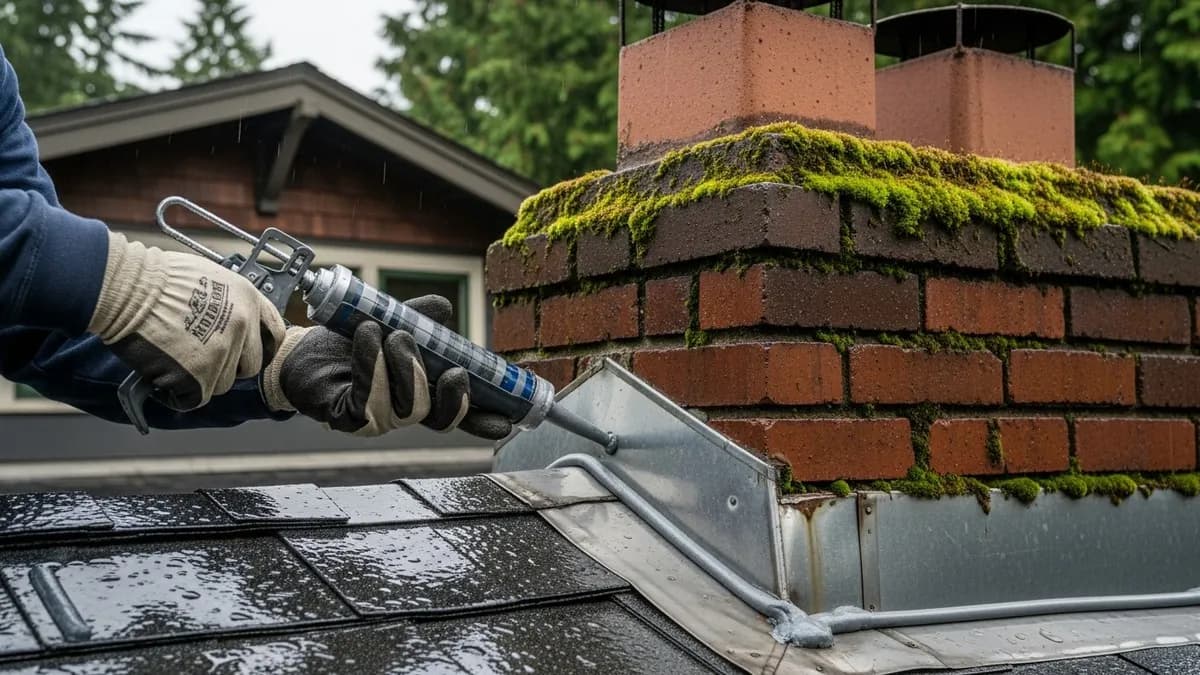
The step flashing on the downhill side of the chimney had separated from the brick by nearly a quarter inch—a gap invisible from the ground but wide-open to Seattle's sideways rain. Ryan re-bedded the step flashing with a flexible sealant rated for below-freezing temps, applied a new layer of counter flashing, and patched the crown crack with hydraulic cement. Total job time: 2.5 hours. Marcus paid $485, which included a Level 1 inspection of the flue. 'I was expecting a much bigger bill,' he said. 'The roofer made it sound like I'd need a whole new chimney.'
What Are the Warning Signs of Failing Chimney Flashing?
Failing chimney flashing rarely announces itself clearly—it usually mimics other problems. Here are the most common signs our techs see across Seattle homes:
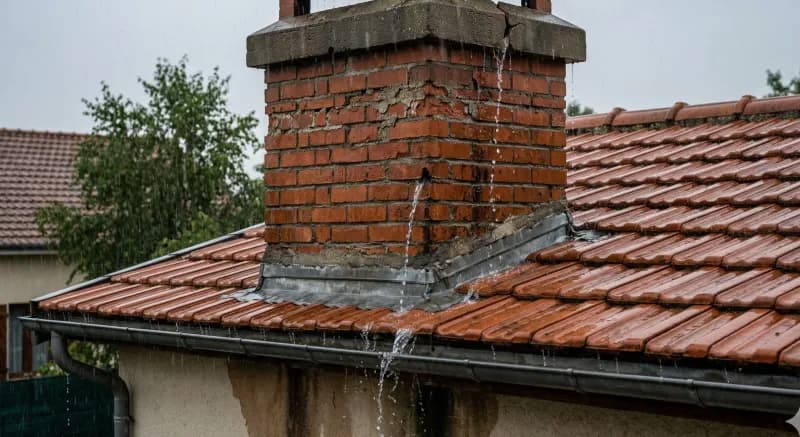
- Water stains on ceilings or walls near the fireplace, especially after rain
- Rust streaks on the exterior brick just below the roofline
- Peeling wallpaper or paint on the chimney breast inside the home
- Visible gaps between the flashing metal and the chimney masonry
- Damaged or lifted shingles immediately adjacent to the chimney
- Musty smell near the fireplace even when it hasn't been used
- Efflorescence (white mineral deposits) on exterior brick near the roofline
In our experience across 800+ Seattle-area roof inspections, approximately 62% of water intrusion complaints traced back to flashing—not the roof itself. Homeowners often spend money on roofers before realizing the chimney is the source.
What Does Chimney Flashing Repair Actually Involve?
There are two main types of flashing work: re-sealing and full replacement. Understanding the difference helps you evaluate any quote you receive.
| Repair Type | What It Involves | Cost Range (Seattle) |
|---|---|---|
| Re-sealing / caulking | Fresh sealant applied to existing flashing gaps | $285–$420 |
| Partial step flashing repair | Replace or re-bed 2–4 sections of step flashing | $420–$650 |
| Full flashing replacement | Remove all existing flashing, install new aluminum or copper | $700–$1,400 |
| Flashing + crown repair combo | Flashing work plus chimney crown patch or rebuild | $850–$1,600 |
Seattle's wet climate accelerates flashing failure faster than national averages. We recommend inspecting flashing every 3–5 years on homes built before 1980, which often used galvanized steel that corrodes under constant moisture exposure.
How Do You Know If You Need Flashing Repair vs. Full Replacement?
If your flashing is under 15 years old and made of aluminum or copper, re-sealing is usually sufficient. If it's original to a pre-1980 home, galvanized and showing rust, full replacement is almost always the smarter long-term investment. Here's what to do if you suspect a flashing problem today:
- Check your attic for moisture or staining on the rafters near the chimney penetration.
- Look at the exterior brick just below where the chimney meets the roof—rust streaks or white mineral deposits signal active water intrusion.
- Run a garden hose test: have someone run water along the chimney base while you watch the ceiling inside. If water appears, flashing is the likely culprit.
- Do NOT apply roofing tar as a DIY patch—it seals in moisture and accelerates brick deterioration.
- Schedule a professional inspection before the next rain event—flashing leaks compound quickly into drywall and framing damage.
Our CSIA-certified technicians can typically assess and repair most flashing issues in a single visit. Learn more about our chimney flashing repair service or our broader chimney repair services.
Does Homeowner's Insurance Cover Chimney Flashing Repair in Washington?
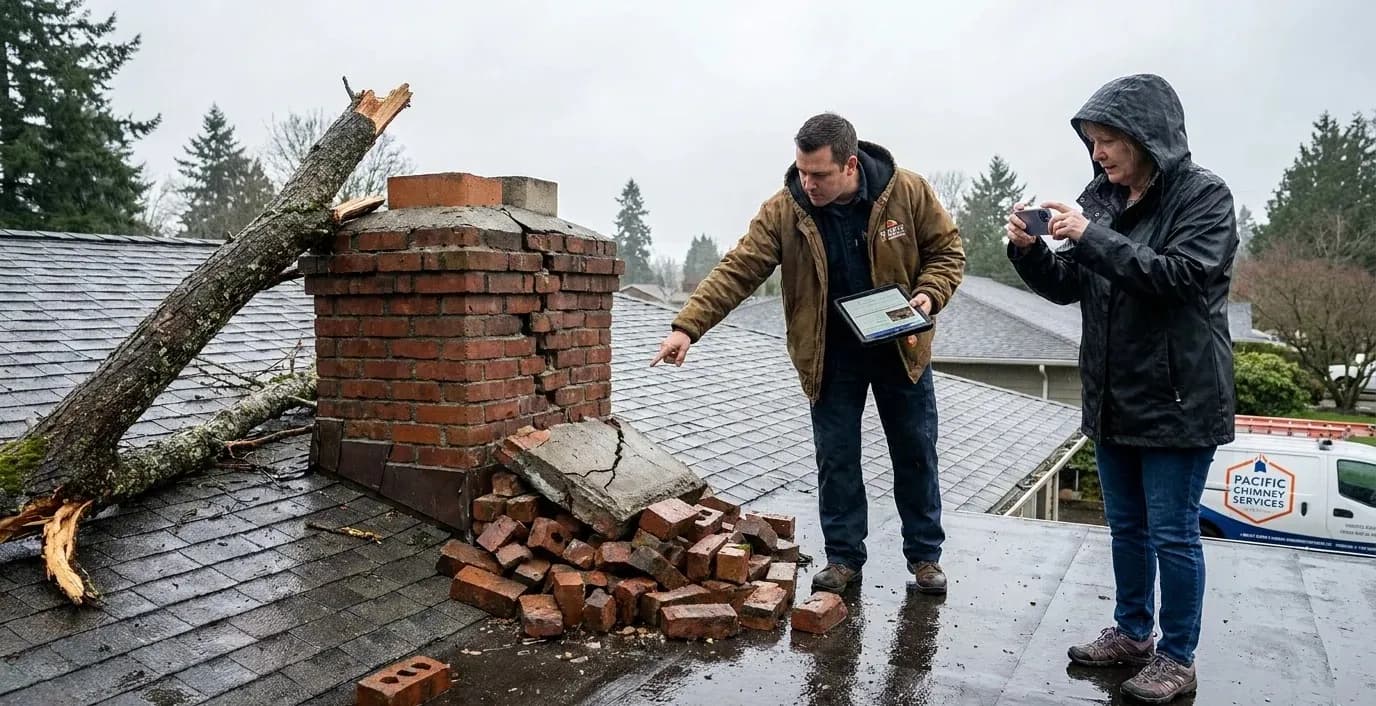
It depends on the cause. Washington homeowner's insurance policies generally cover sudden, accidental water damage—like a flashing seal that failed after a windstorm. They typically do not cover gradual deterioration or lack of maintenance. In our experience, about 35% of flashing repair claims submitted by Seattle homeowners are approved when the damage is documented as storm-related. If you're filing a claim, our team can provide a written assessment documenting the damage, which adjusters require. See our full guide on chimney insurance claims in Washington for more detail. We also serve homeowners across Ballard and Queen Anne who frequently deal with steep-pitch flashing issues.
Get Your Flashing Inspected Before Summer Renovation Season
June is actually an ideal time to address chimney flashing—roofers and chimney techs have more scheduling availability than in fall, and catching a leak now prevents months of hidden moisture damage before next rainy season. If you've noticed any of the warning signs above, don't wait. Call Seattle Chimney Pros at (253) 429-8006 or request a flashing inspection online. Most inspections and same-day repairs are completed in under 3 hours.
Need professional help?
Our professionally trained team is ready. Free estimate, 30-minute response.