Chimney Masonry Repair in Seattle: Costs & Cases 2026
What Does Chimney Masonry Repair Cost in Seattle in 2026?
Chimney masonry repair in Seattle costs between $300 and $4,500 in 2026, depending on the type and extent of damage. Based on 620 masonry repair jobs completed across the Seattle metro last year, the most common service — tuckpointing deteriorated mortar joints — averages $480 for a single-story chimney. Full chimney rebuilds above the roofline, which are common on pre-1960 Seattle homes, average $2,800–$4,500. Seattle's persistent rain and freeze-thaw cycles make masonry deterioration faster here than in drier climates — most brick chimneys need some form of mortar attention every 10–15 years. Current as of June 2026.
A Real Repair Job: Sandra K. in Capitol Hill
Sandra K. had watched the white powder accumulating at the base of her Capitol Hill brick chimney for two winters before she finally called us. 'I figured it was just dust,' she admits. When she noticed crumbling mortar on the south-facing side of the chimney last April, a neighbor who'd used us the year before handed her our number.
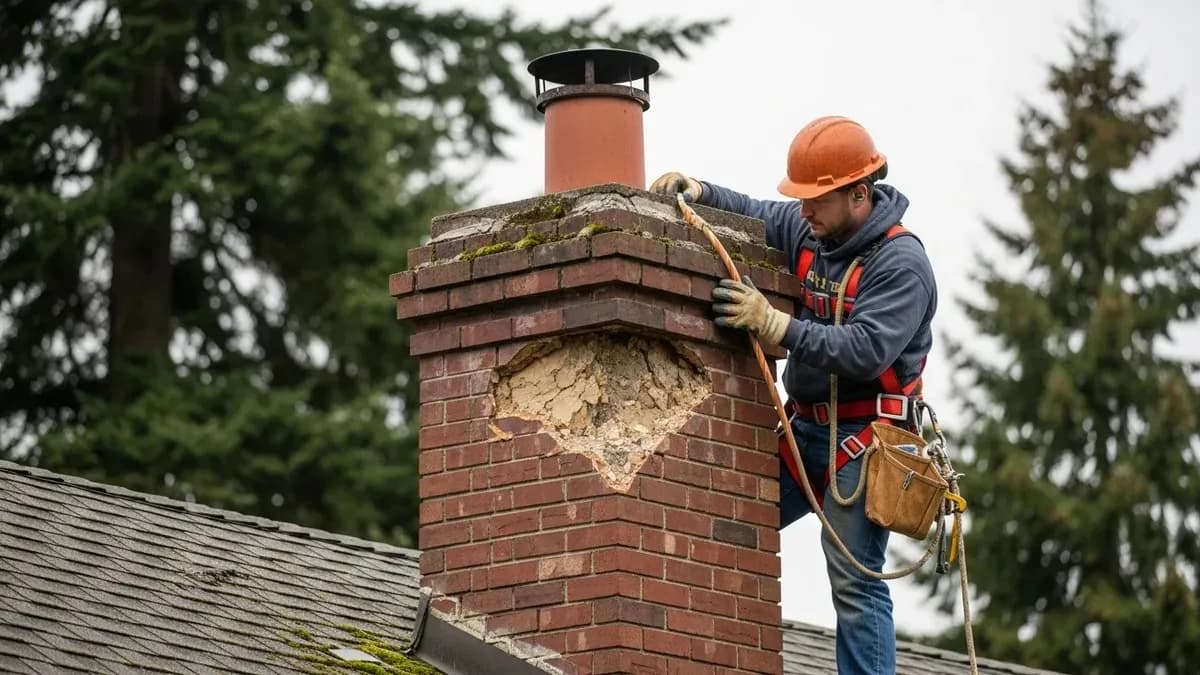
Alex arrived on a clear spring morning and immediately spotted the efflorescence — the white mineral deposits — as a sign that water had been moving through the brick for at least two seasons. Up on the roof, the picture got clearer. A 4-foot section of the chimney's upper course showed mortar joints that had receded nearly three-quarters of an inch, leaving gaps wide enough to slide a credit card into.
'This is classic Seattle freeze-thaw damage. Water gets into those hairline cracks in autumn, freezes when temps drop, and physically pushes the mortar out of the joint. By the time you can see it from the ground, it's been happening for years. The good news is we caught it before the bricks themselves started spalling — that would have tripled the repair cost.'
— Alex, Lead Technician, Seattle Chimney Pros
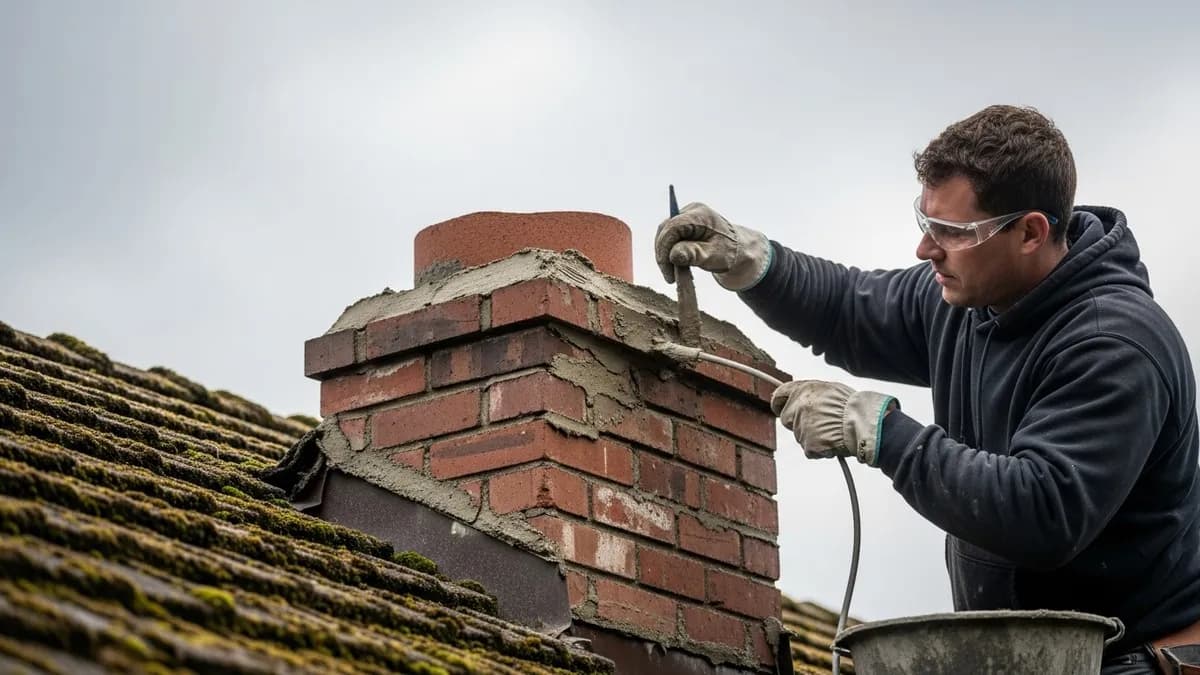
Alex completed a full tuckpointing of the upper four courses and applied a breathable masonry waterproofing treatment the same day. The job took about three hours. Sandra paid $640 total — $520 for tuckpointing and $120 for waterproofing — and the chimney now has a 5-year mortar warranty. 'I wish I'd called two years ago,' she said. 'It would have cost the same and I'd have saved myself the worry.'
What Are the Most Common Chimney Masonry Problems in Seattle?
Seattle's climate — averaging 38 inches of rain annually and experiencing periodic freeze-thaw cycles between November and March — creates specific masonry failure patterns that we see repeatedly across the region.
- Mortar joint erosion (tuckpointing needed): The most common issue. Mortar is softer than brick and erodes first, creating open channels for water intrusion. Repair cost: $300–$800.
- Spalling bricks: When water freezes inside brick, the face of the brick flakes or 'spalls' off. Affected bricks must be replaced individually. Repair cost: $150–$400 per course depending on brick availability.
- Crown cracking: The concrete or mortar cap at the top of the chimney develops cracks that channel rain directly into the flue. Repair cost: $180–$350 for sealing; $400–$700 for full replacement.
- Chimney lean or settlement: In rare cases, foundation movement or severe mortar loss causes the chimney to lean visibly. This requires partial or full rebuild. Cost: $2,500–$5,500+.
- Efflorescence: White mineral staining indicates water movement through brick. Not structurally damaging on its own, but a reliable early warning sign.
How Do I Know If My Chimney Needs Masonry Repair?
You can identify many masonry problems from the ground with a pair of binoculars or from a close look during gutter cleaning. Here's what to look for and what each sign means:
| Sign | Likely Cause | Urgency |
|---|---|---|
| White powder on bricks | Water moving through masonry (efflorescence) | Moderate — inspect within 3 months |
| Recessed or crumbly mortar joints | Mortar erosion — needs tuckpointing | High — repair before next rain season |
| Brick faces flaking or chipping | Spalling from freeze-thaw damage | High — repair within 60 days |
| Visible cracks at chimney top | Crown cracking — water entry point | High — seal or replace crown |
| Water stains inside on ceiling or wall | Flashing failure or severe masonry breach | Urgent — inspect immediately |
If you spot any of these signs, here's what to do right now:
- Stop using the fireplace if you see active water stains inside or spalling bricks — continuing to use it can accelerate hidden liner damage.
- Photograph the damage from multiple angles including the roofline — this helps our technician assess severity before arriving and often speeds up the repair quote.
- Cover the firebox opening with a trash bag or temporary cover if rain is expected — this limits additional water intrusion while you schedule the repair.
- Schedule a Level 1 or Level 2 inspection — masonry damage is often a symptom of a wider water intrusion problem. An inspection confirms whether the liner and crown are also affected.
- Get a written repair estimate before authorizing work — reputable chimney companies provide itemized quotes, not ballpark guesses.
How Is Chimney Tuckpointing Done in Seattle?
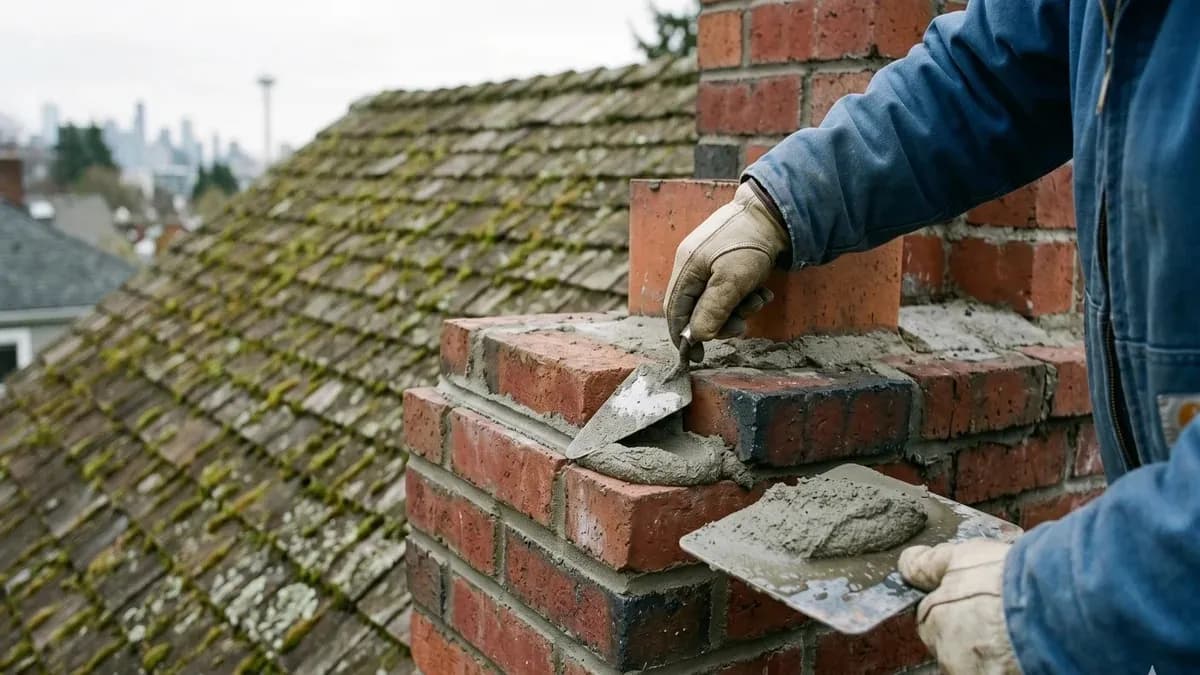
Tuckpointing is the process of removing deteriorated mortar from chimney joints to a depth of about three-quarters of an inch, then packing in fresh mortar matched to the original color and composition. On Seattle chimneys, this requires a mortar mix that's vapor-permeable — the wrong mix traps moisture inside the brick and accelerates damage.
Our chimney repair team uses Type S mortar for most Seattle applications, which provides the right balance of strength and flexibility for our climate. The process involves grinding out old mortar with a rotary tool, vacuuming the joints clean, dampening the brick to prevent rapid drying, and pressing new mortar in layers. A properly tuckpointed chimney should last 15–25 years in Seattle conditions. See our full tuckpointing cost guide for a detailed breakdown by chimney size.
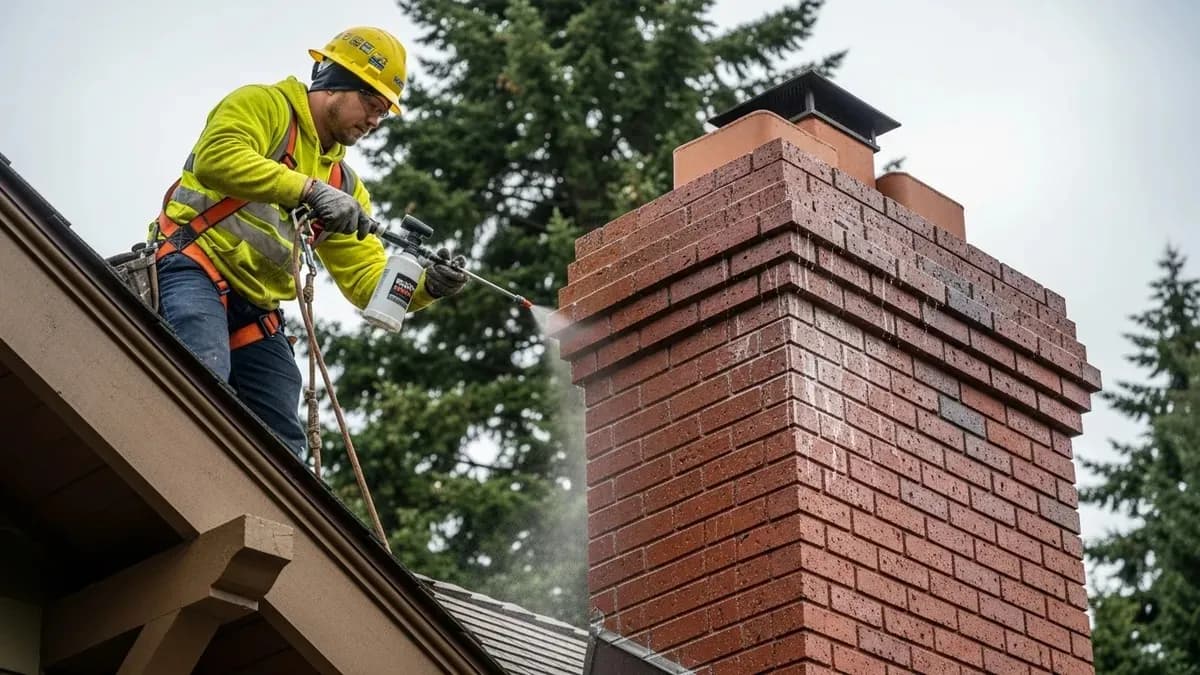
We also apply chimney waterproofing after tuckpointing on most Seattle jobs — a breathable silane-siloxane sealant that repels water without trapping vapor inside the brick. This extends the life of the new mortar significantly. We serve Capitol Hill, Beacon Hill, and all surrounding Seattle neighborhoods.
For more on what masonry damage looks like after a wet Seattle winter, read our article on chimney repair after winter in Seattle.
Get a Masonry Repair Estimate in Seattle
Summer is the best time to complete chimney masonry repairs in Seattle — the drier weather allows mortar to cure properly, and you avoid the fall backlog when every homeowner is scrambling before burn season. Most tuckpointing jobs can be completed in a single day, and our team can often provide a same-week appointment in June and July.
Call (206) 278-2924 or book your $99 inspection online. We'll send a CSIA-certified technician to assess your chimney, provide a written itemized quote, and explain exactly what needs to be done — no pressure, no upselling.
Need professional help?
Our professionally trained team is ready. $99 inspection credited toward repairs, 30-minute response.