Chimney Flashing Repair Seattle 2026: Costs & What to Expect
What Does Chimney Flashing Repair Cost in Seattle in 2026?
Chimney flashing repair in Seattle costs between $285 and $950 in 2026, depending on the extent of the damage, flashing material, and roof pitch. Based on 340+ flashing jobs our team completed across the Seattle metro last year, the average homeowner pays $420 for a partial re-flash — replacing the counter-flashing and resealing the step flashing on a single-story home. Full flashing replacement on a steeper roof or multi-story home typically runs $650–$950. Simple sealant-only patches start around $185, though we rarely recommend them as a long-term fix on Seattle roofs where annual rainfall averages 38 inches. Prices current as of August 2026.
A Real Flashing Job: Marcus T. in Greenwood
Last October, Marcus T. noticed a faint water stain spreading across the ceiling of his upstairs hallway — directly above the chimney chase of his 1952 Greenwood rambler. He assumed it was a roofing issue and called a roofer first. The roofer found nothing obviously wrong with the shingles and suggested he call a chimney specialist.
Ryan arrived the next morning. Standing at the base of the chimney, he spotted the problem before even climbing to the roof: a visible gap where the counter-flashing had pulled away from the mortar joint, leaving nearly a quarter-inch opening along the front face of the chimney.
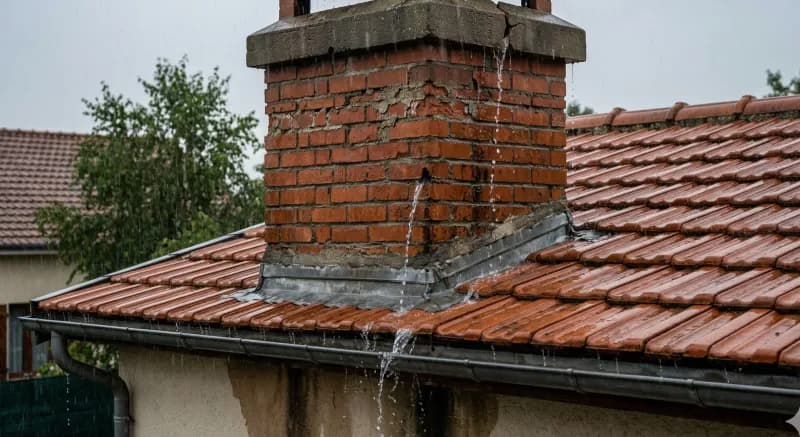
'That gap is your culprit. When Seattle rain hits the chimney face at an angle — which it does constantly in autumn — water follows the brick right into that opening and wicks into the decking. A roofer won't see it because the shingles look fine. It's a chimney flashing problem, not a roof problem.'
— Ryan, Lead Technician, Seattle Chimney Pros
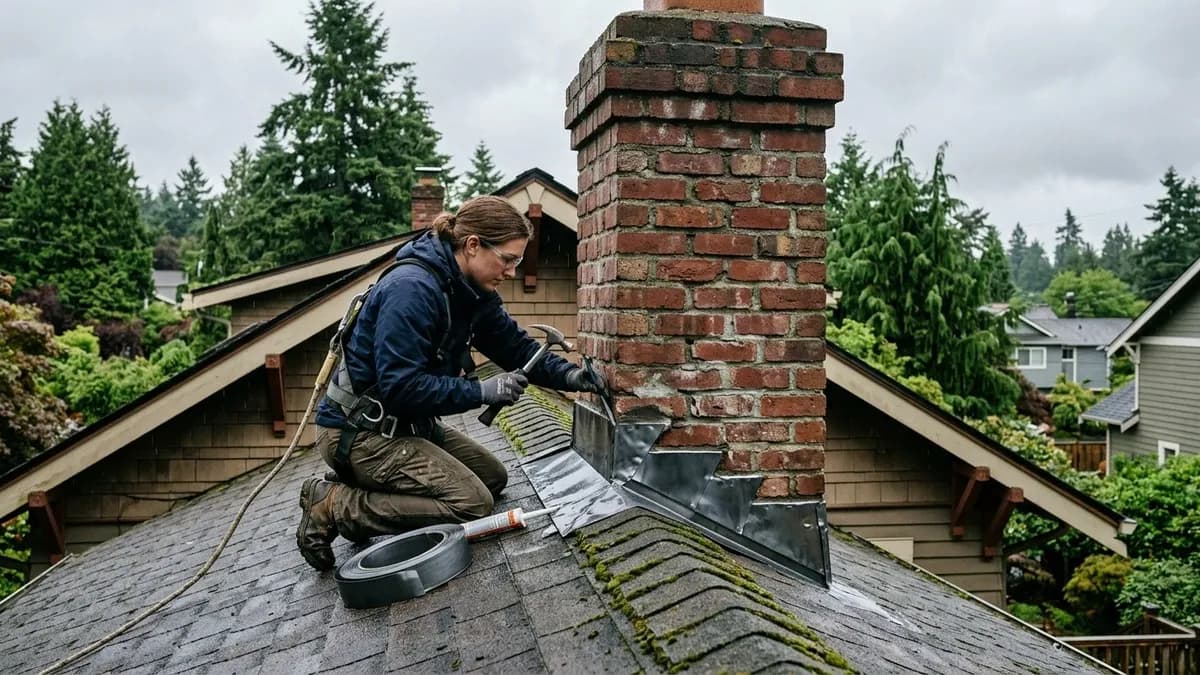
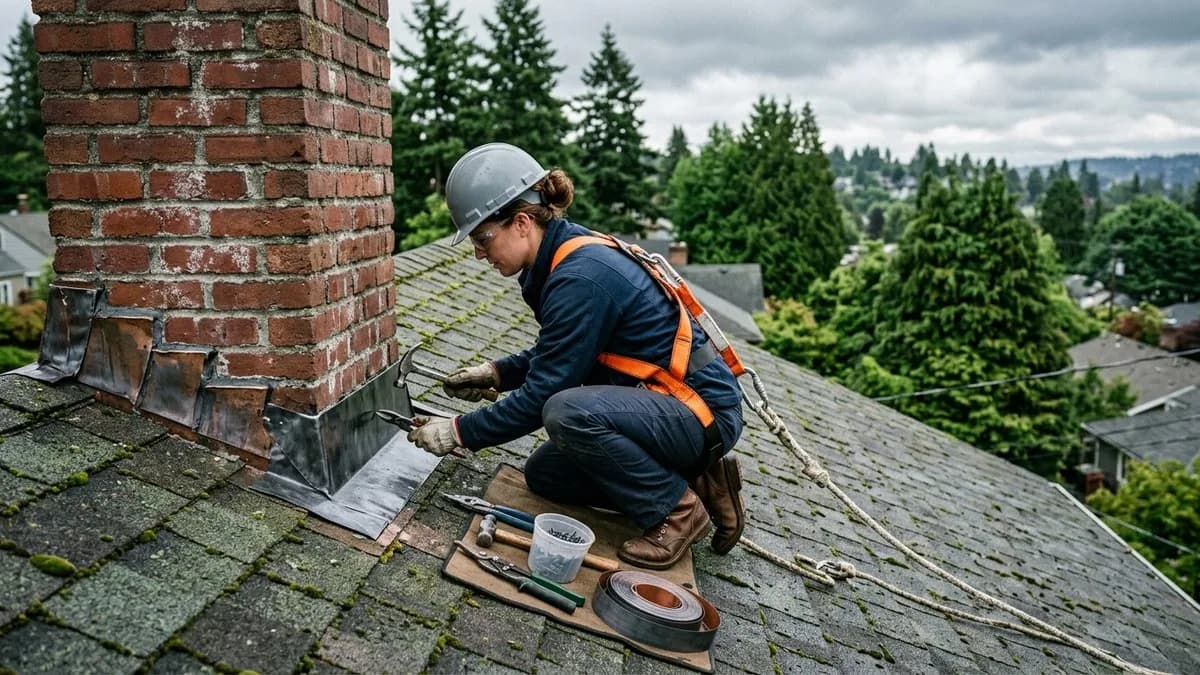
Ryan re-embedded the counter-flashing into a fresh mortar joint, applied a flexible rubberized sealant rated for Pacific Northwest temperatures, and replaced two sections of step flashing that had begun to corrode. Total job time: about two hours. Marcus paid $485, and his ceiling stain stopped growing by the following rainstorm.
What Is Chimney Flashing and Why Does It Fail in Seattle?
Chimney flashing is the system of metal strips — usually galvanized steel, aluminum, or copper — that seals the joint between your chimney and your roof. It works in two layers: step flashing (woven into the shingle courses along the sides) and counter-flashing (embedded into the mortar joints above, folded down over the step flashing). When both layers are intact, water sheds cleanly off the chimney and down the roof. When either layer fails, water has a direct path into your attic and ceiling framing.
Seattle's climate accelerates flashing failure in three ways: (1) freeze-thaw cycles in winter cause mortar joints to crack, allowing counter-flashing anchors to loosen; (2) moss and algae growth trap moisture against the flashing edges; and (3) our heavy autumn rainfall means even a small gap gets hundreds of gallons of water forced through it each season. In our experience, flashing on Seattle homes older than 20 years has roughly a 60% chance of showing at least minor failure — and homes in shaded, tree-heavy neighborhoods like Greenwood, Ravenna, and Maple Leaf see it even sooner due to moss accumulation.
How Do You Know If Your Chimney Flashing Is Failing?
The most common signs are water stains on ceilings near the chimney, musty odors in the attic, or visible rust streaks on the exterior brick. Inside the firebox, look for water pooling at the base or efflorescence (white salt deposits) on the brick face — both indicate chronic moisture intrusion. On the roof itself, look for lifted or missing counter-flashing, orange rust staining along the flashing edges, or daylight-visible gaps at the chimney-roof joint.
- Ceiling stains near chimney — typically appear as tan or yellow rings, often blamed on the roof when flashing is the real culprit
- Rust streaks on exterior brick — indicates corroding steel flashing leaching iron into the masonry
- Musty attic smell after rain — moisture entering through the flashing and saturating insulation or decking
- Visible gap at chimney base on roof — counter-flashing has separated from the mortar joint
- Efflorescence on firebox walls — white powdery deposits caused by water dissolving salts in brick and mortar
What to do if you spot these signs today:
- Do NOT attempt to seal the gap yourself with roofing caulk — consumer-grade caulk fails within one Seattle winter and can trap moisture behind the patch.
- Place a bucket or towel under any active ceiling drip to protect flooring while you schedule a repair.
- Take photos of the stain and measure its growth over the next rainstorm — this helps your tech assess how long the leak has been active.
- Schedule a chimney flashing inspection before the September rains arrive — booking fills up fast in late August.
- Check your attic for wet insulation or dark staining on the decking boards directly above the chimney — if present, mention it when you call.
Chimney Flashing Repair Cost Breakdown: Seattle 2026
Here is how flashing repair costs break down by repair type based on our 2025–2026 job data across the Seattle metro:
| Repair Type | Typical Cost Range | Time Required |
|---|---|---|
| Sealant re-application only | $185–$285 | 45–60 min |
| Counter-flashing re-embed + seal | $320–$520 | 1.5–2.5 hrs |
| Partial step flashing replacement | $420–$650 | 2–3 hrs |
| Full flashing system replacement | $650–$950 | 3–5 hrs |
| Copper flashing upgrade | $950–$1,400 | 4–6 hrs |
Copper flashing carries a significant upfront premium but lasts 50+ years — we recommend it for historic homes in Capitol Hill and Queen Anne where matching period materials matters. For most Seattle homeowners, galvanized steel with a rubberized membrane overlay is the best value at $420–$650 installed.
Does Homeowners Insurance Cover Chimney Flashing Repair in Washington?
Chimney flashing repair is covered by Washington homeowners insurance only if the failure was caused by a sudden, covered peril — such as storm damage, falling debris, or an earthquake. Gradual deterioration (the most common cause in Seattle) is almost always excluded as a maintenance issue. That said, if a windstorm lifted your counter-flashing or a branch impacted the chimney, document the event date and file a claim promptly.
For insurance purposes, a written estimate from a licensed contractor is essential. Our techs provide itemized repair estimates that meet standard insurance documentation requirements. We have worked with Pemco, USAA, State Farm, and Farmers adjusters on Seattle flashing claims. Learn more about chimney insurance claims in Washington and what documentation adjusters require.
Should You Repair or Fully Replace Your Chimney Flashing?
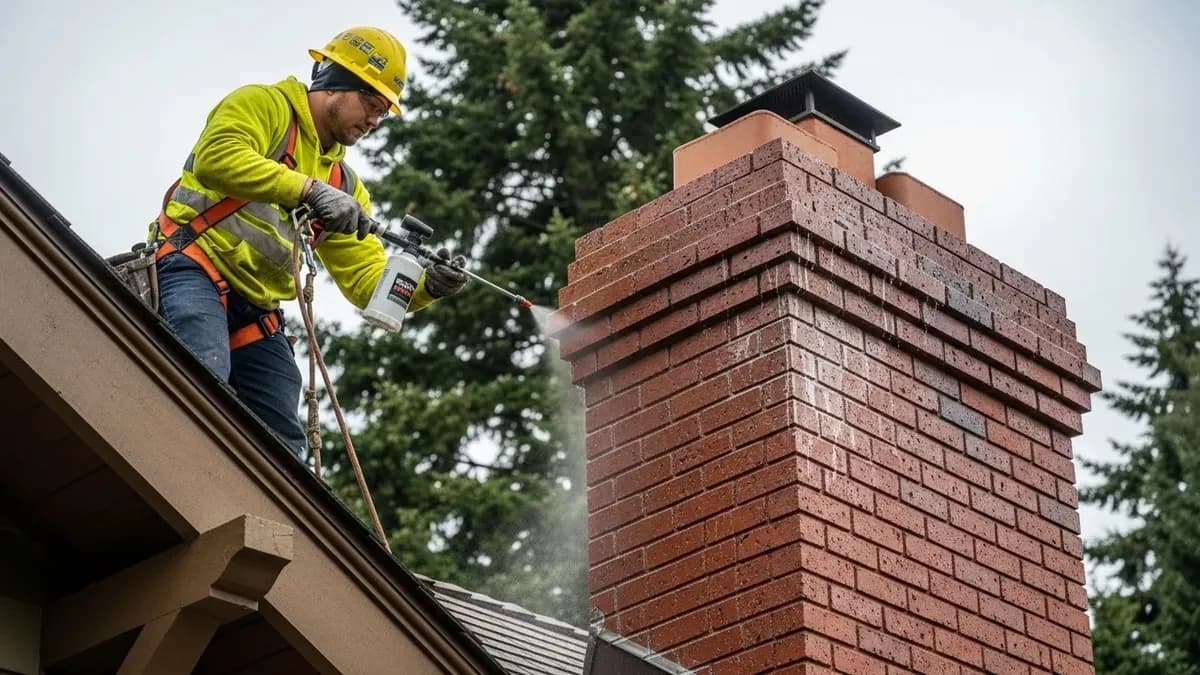
Repair is appropriate when the underlying flashing metal is intact and only the sealant or mortar anchoring has failed — typically on systems less than 15 years old. Full replacement makes sense when the metal itself has corroded through, when step flashing is missing sections, or when the flashing was originally installed incorrectly (a common finding in Seattle homes built between 1975 and 1995, where roofing crews often used adhesive-only methods without proper counter-flashing). In our 2025 jobs, about 38% of flashing calls resulted in full replacements — the rest were partial repairs or re-seals. If your flashing is galvanized steel older than 20 years in a heavily shaded or mossy area, replacement is usually more cost-effective than ongoing repairs. Consider pairing it with a chimney waterproofing treatment to protect the surrounding masonry at the same visit.
Get Your Flashing Inspected Before Seattle's Fall Rains
August is the ideal month to have your flashing inspected — roofs are dry, our techs have full visibility, and you have time to schedule repairs before September's rainfall resumes. A flashing inspection is included at no extra charge with any Level 1 chimney inspection. If you have noticed any ceiling stains, musty attic smells, or rust on your chimney bricks, do not wait. Call us at (253) 429-8006 or request a free estimate online — most flashing repairs are completed in a single visit.
Need professional help?
Our professionally trained team is ready. Free estimate, 30-minute response.