Moss on Your Chimney in Seattle: Removal, Costs & Prevention 2026
What Does Chimney Moss Removal Cost in Seattle in 2026?
Professional chimney moss removal in Seattle costs between $150 and $500 in 2026, depending on the extent of growth, roof pitch, and whether preventive treatment is included. Based on moss removal jobs our team completed across the Seattle metro last year, the average homeowner pays $249 for a standard single-flue treatment that includes chemical kill, mechanical removal, and a zinc strip installation to slow regrowth. Homes in heavily canopied neighborhoods like Ravenna, Madrona, and Leschi — where north-facing masonry stays damp nearly year-round — tend to land in the $300–$450 range due to heavier colonization and steeper roofs. Skipping treatment rarely saves money: untreated moss on Seattle brick causes mortar joint erosion that costs $600–$2,500 to repair through tuckpointing. Current as of July 2026.
A Real Moss Removal Job: Marcus T. in Ravenna
Marcus T. had noticed the north face of his 1932 Ravenna craftsman's chimney turning progressively greener for several years. He assumed it was cosmetic — part of living under a canopy of mature Douglas firs that shaded the roofline most of the day. What finally pushed him to call was a real estate agent's offhand comment during a neighborhood open house: 'That kind of moss coverage means your mortar's taking a beating.'
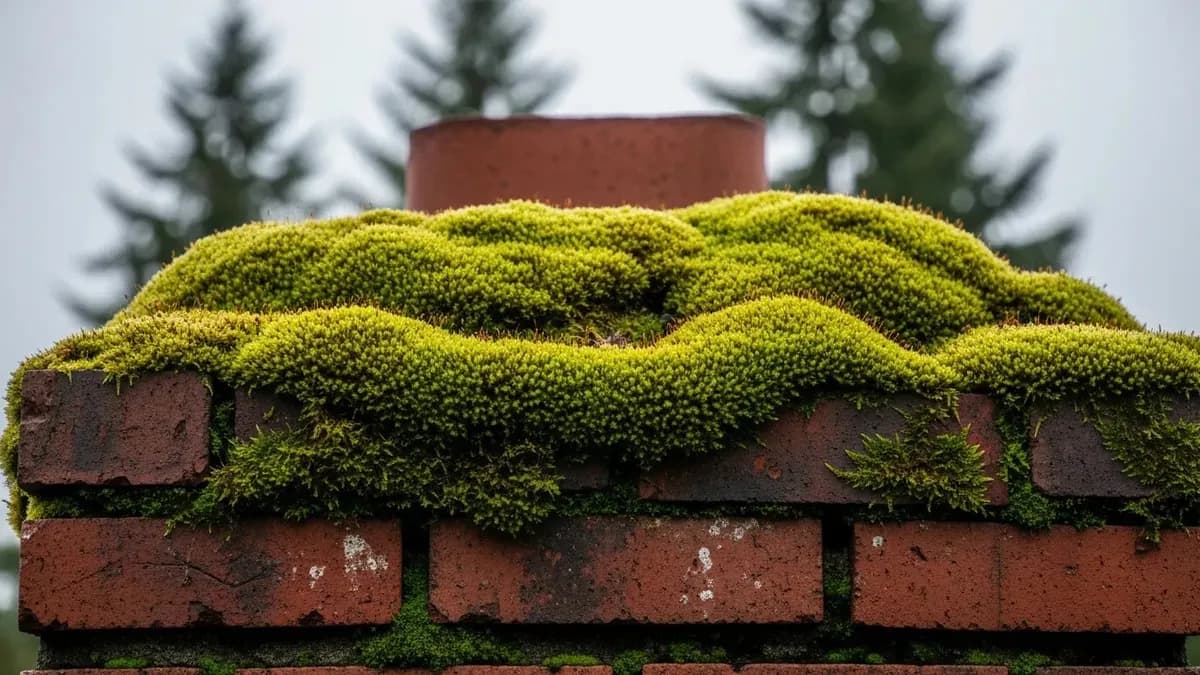
A quick search for 'chimney moss removal Seattle' brought him to our scheduling page. Ryan arrived on a Tuesday morning in May, a typical overcast Seattle spring day, and climbed to the roofline with a full inspection kit and treatment supplies. What he found was a textbook heavy-colonization case: thick moss mats up to two inches deep on the north and east chimney faces, patches of gray-green lichen near the crown, and mortar joints that were noticeably soft and recessed in the upper third of the chimney stack.
'The moss itself is almost the least of it at this point — it's what's underneath that matters. These upper mortar joints have been holding standing water through every freeze-thaw cycle for probably a decade. We're looking at real erosion here, not just surface staining. If we treat the moss today and waterproof after it dries, we stop the progression. But those top six courses of joints are going to need repointing within the next year or two.'
— Ryan, Lead Technician, Seattle Chimney Pros
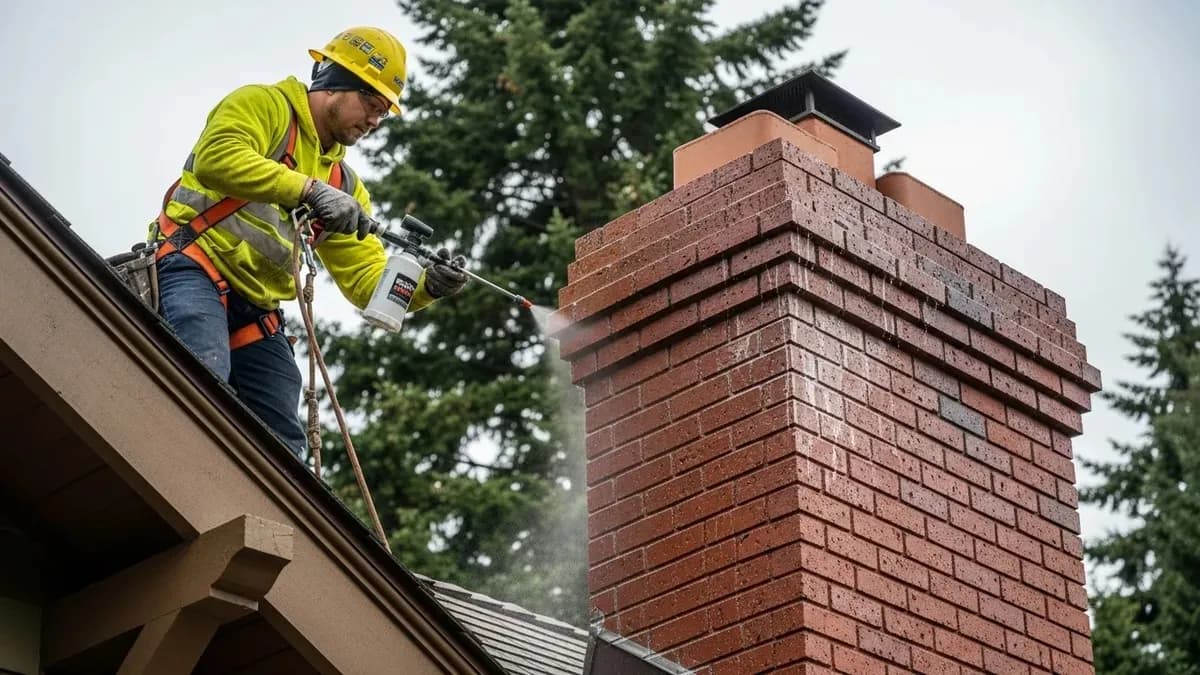
Ryan applied a zinc sulfate solution to all four chimney faces, allowed it to dwell while he completed a rooftop inspection of the crown and cap, then returned to brush off the now-dead growth with a stiff nylon brush and low-pressure rinse. He installed a six-inch zinc flashing strip at the chimney top before coming down. Total service: moss treatment plus zinc strip, $319. Ryan recommended a return visit in two weeks for waterproofing sealant once the masonry had time to dry thoroughly, and gave Marcus a tuckpointing estimate for the upper courses — $680 — to schedule before fall.
'I kept putting it off because I figured it was just moss,' Marcus said afterward. 'Seeing the mortar condition up close on Ryan's phone camera changed my mind pretty fast. I'm glad I didn't wait another season.'
Why Do Seattle Chimneys Get So Much Moss?
Seattle chimneys develop moss faster and more aggressively than chimneys in most U.S. cities because of a specific combination of climate conditions: 152+ rain days per year, persistent overcast that limits drying sunlight, cool year-round temperatures, and heavy residential tree canopy over most neighborhoods. Brick and mortar are porous — they absorb rainwater and, in a normal climate, dry out within a day or two. In Seattle, under shade and overcast, that same masonry can stay damp for three to five days after a rain event. Moss spores, which are airborne throughout the Pacific Northwest, land on that consistently moist surface and find near-ideal conditions for establishment.
North- and east-facing chimney surfaces are most vulnerable because they receive the least direct sun — in neighborhoods like Ravenna, Wallingford, and Leschi, where mature tree canopy reduces sun exposure further, it's common for chimneys on 10-to-15-year-old homes to show significant moss colonization without any prior treatment. Even in more open neighborhoods like Ballard and Beacon Hill, north-facing chimney faces routinely develop moss within five to eight years of a new build or prior cleaning.
The damage mechanism is straightforward: moss rhizoids (root-like structures) penetrate the porous surface of mortar joints, physically widening microscopic cracks as the plant grows. The moss mat then holds moisture against the masonry surface for days longer than bare brick would stay wet. During Seattle's October-through-March freeze-thaw season, that extra retained moisture means more ice expansion cycles per winter — and faster mortar joint erosion than a clean chimney would experience. Based on the chimney inspections our team completed across Seattle last year, chimneys with heavy untreated moss colonization of 10 or more years showed measurably more mortar joint recession than comparably aged clean chimneys in the same neighborhoods.
Moss vs. Lichen vs. Algae: What's Actually Growing on Your Chimney?
Not everything green or black on your chimney is moss. Seattle chimneys commonly host all three types of biological growth simultaneously, and the identification matters because removal methods and urgency differ significantly.
| Type | Appearance | Structural Risk | Removal Difficulty | Best Prevention |
|---|---|---|---|---|
| Moss | Soft green/brown mat, leafy texture, up to 2–3 inches thick | High — rhizoids penetrate mortar, holds moisture | Moderate — zinc sulfate + nylon brush | Zinc strip, waterproofing sealant |
| Lichen | Crusty flat patches, gray/green/orange, tightly bonded to surface | Moderate — acid etching of brick and mortar surface | High — chemically bonded; needs extended dwell time | Zinc/copper treatment, biocide sealers |
| Algae | Dark green or black streaking down the chimney face | Low — surface only, no root penetration | Low — biocide wash and rinse | Biocide wash, improved drainage |
Moss is the most structurally damaging of the three because of its rhizoid penetration and moisture retention. Lichen is slower-growing but harder to remove — it chemically bonds to the masonry surface and requires stronger treatment and longer dwell times than moss. Algae is largely cosmetic but signals persistent moisture and often appears alongside moss or lichen on the same chimney. The black streaks running down Seattle chimneys after wet winters are typically Gloeocapsa magma algae — treatable with biocide wash but a sign the masonry is staying wetter than it should.
How Is Chimney Moss Removed Professionally?
Professional moss removal from chimney masonry follows three phases: killing the growth, physical removal of dead material, and preventive treatment. In Seattle's climate, skipping the prevention phase means moss returns within two to three years without exception.
- Apply biocidal treatment. Zinc sulfate solution is applied to all affected chimney faces and allowed to dwell 24–48 hours. Attempting to scrub live moss off masonry is ineffective — the visible growth comes away but rhizoids remain embedded in mortar joints and regrowth begins immediately. The moss must be killed first. For lichen, stronger treatment and longer dwell time (sometimes multiple applications over several days) are required.
- Remove dead growth mechanically. Once the moss is dead — visibly brown and dry — it is brushed off with a stiff nylon brush in circular motions. Nylon bristles are firm enough to lift dead debris without scoring brick faces or damaging mortar joints. Wire brushes are too aggressive for chimney masonry and should be avoided. A garden hose or pressure washer at very low setting (under 500 PSI) flushes loosened debris after brushing.
- Install zinc prevention strip. A six-inch zinc flashing strip installed at the chimney top causes zinc ions to leach down all four faces in every rain event, creating an environment that inhibits moss and algae regrowth. A single zinc strip installation lasts 10–20 years and is the most cost-effective long-term prevention step. Professional installation typically costs $75–$150.
- Apply waterproofing sealant (recommended). A vapor-permeable silane/siloxane sealant applied to cleaned masonry reduces the surface moisture retention that moss requires. Waterproofing should be applied after the masonry has fully dried — at least seven to fourteen days after cleaning. This step addresses the root cause (masonry moisture absorption) rather than just treating the biological symptom. See our complete guide to chimney waterproofing costs in Seattle for full pricing and product details.
- Inspect underlying masonry. After moss removal, mortar joint condition is visible and assessable for the first time in years. Any joints showing recession, softness, or crumbling should be documented and scheduled for tuckpointing repair — ideally before the next wet season.
One of the most common DIY damage patterns we see at Seattle Chimney Pros: homeowners pressure-washing moss off chimneys at standard cleaning pressure (1,200–2,500 PSI). High-pressure water erodes mortar joints that moss has already softened, dramatically accelerating the damage the homeowner was trying to reverse. Low pressure only — always.
What Does Chimney Moss Removal Cost in Seattle? (2026 Pricing)
The following ranges reflect actual 2026 market pricing for Seattle-area chimney moss removal services. Roof pitch, chimney height, and extent of colonization are the primary cost drivers — not just the size of the chimney.
| Service | 2026 Seattle Range | Notes |
|---|---|---|
| Basic moss removal — light to moderate growth | $150–$275 | Chemical treatment, mechanical removal, rinse; accessible single-story chimney |
| Moss removal + zinc strip installation | $225–$400 | Most cost-effective long-term combination; zinc strip lasts 10–20 years |
| Moss removal + waterproofing sealant | $400–$750 | Full removal plus vapor-permeable sealant; maximum protection against moisture damage |
| Heavy or lichen colonization | $250–$500 | Extended chemical dwell time, additional labor; lichen removal is more involved than moss |
| Moss removal + chimney sweep combo | $300–$550 | Combined with annual sweep service; lower effective cost than two separate visits |
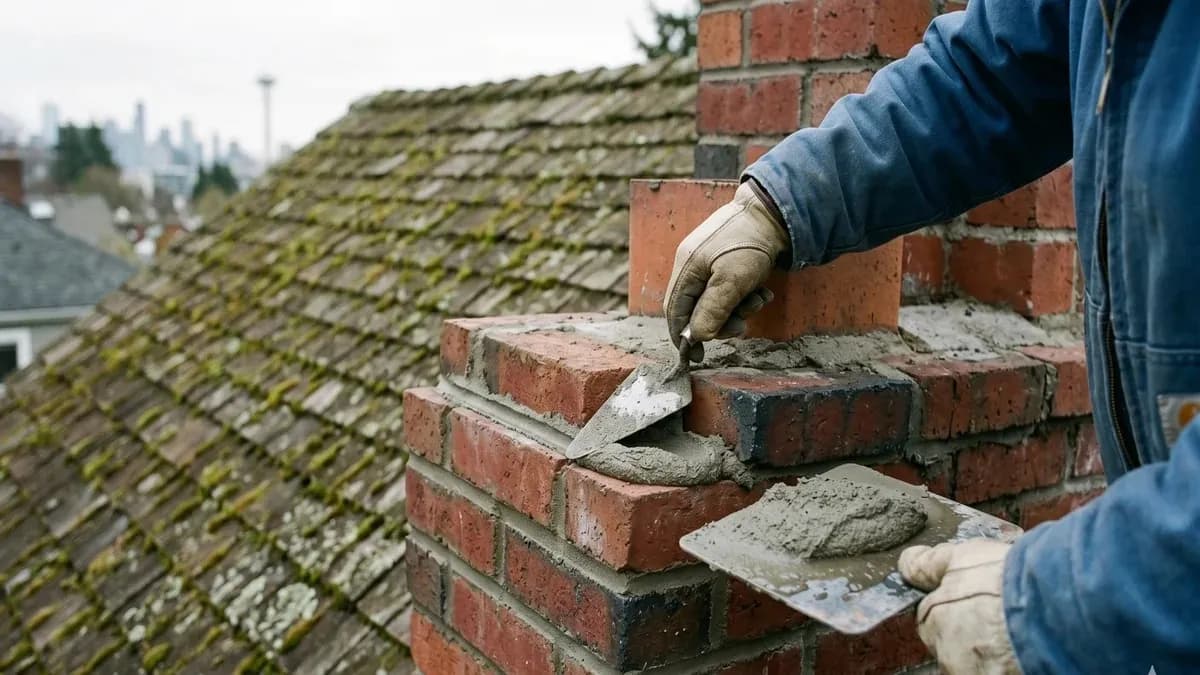
| Mortar repair after moss damage (tuckpointing) | $200–$1,500+ | Billed separately; required if joints are visibly recessed or crumbling before treatment can proceed |
Seattle's craftsman and Victorian homes often have 8/12 to 12/12 roof pitches — steep enough to require professional fall protection equipment and slower, more careful work. Two-story or taller chimneys that require extended ladder setups add $50–$100 to base pricing. Combining moss removal with a chimney inspection in the same visit is the most efficient approach — our technicians assess mortar condition while treating the moss and give you a single honest picture of what the chimney needs.
Can You Remove Chimney Moss Yourself?
DIY moss removal is realistic on single-story homes where the chimney base is safely accessible from an extension ladder without moving onto the roof surface. For those situations, a homeowner can apply zinc sulfate solution (sold as 'moss killer' at hardware stores), allow 24–48 hours dwell time, then brush off dead growth with a nylon scrub brush and rinse at low pressure. Materials run $30–$80. The result, done correctly, is comparable to a basic professional treatment on an easy-access chimney.
Where DIY stops being the right call:
- Steep-pitched roofs: Seattle craftsman homes routinely have 9/12 to 12/12 pitches. Working on these without professional fall protection — harnesses, ridge anchors, roof jacks — is genuinely dangerous. Ladder injuries are among the leading causes of serious homeowner injuries. The $150–$275 cost difference between DIY and professional doesn't justify the risk.
- Two-story or taller chimneys: Extended ladder work at 28+ feet without stabilizers and fall protection is unsafe for most homeowners regardless of comfort level.
- Heavy lichen growth: Lichen requires stronger chemical solutions and multiple treatments. DIY attempts at lichen removal often result in incomplete removal and surface abrasion from over-scrubbing what the chemical hasn't fully killed.
- Visible mortar damage already present: If you can see recessed or crumbling joints, professional assessment should precede any treatment. Applying chemical solutions or mechanical scrubbing to already-deteriorated masonry accelerates damage rather than preventing it.
The honest calculation: if your roof is accessible and safe, DIY is fine for light moss. If there's any doubt about safe access, or if the growth is heavy, lichen-inclusive, or the masonry looks rough, the money saved on labor doesn't come close to covering the cost of a fall or the cost of repairing accelerated mortar damage from improper technique.
Does Chimney Moss Mean You Have a Leak?
Not necessarily — but it means the moisture conditions that eventually cause leaks are present. Moss indicates the masonry stays consistently wet long enough for a plant to thrive. Whether that surface moisture is migrating through the masonry into your home depends on the condition of the mortar joints, crown, flashing, and cap.
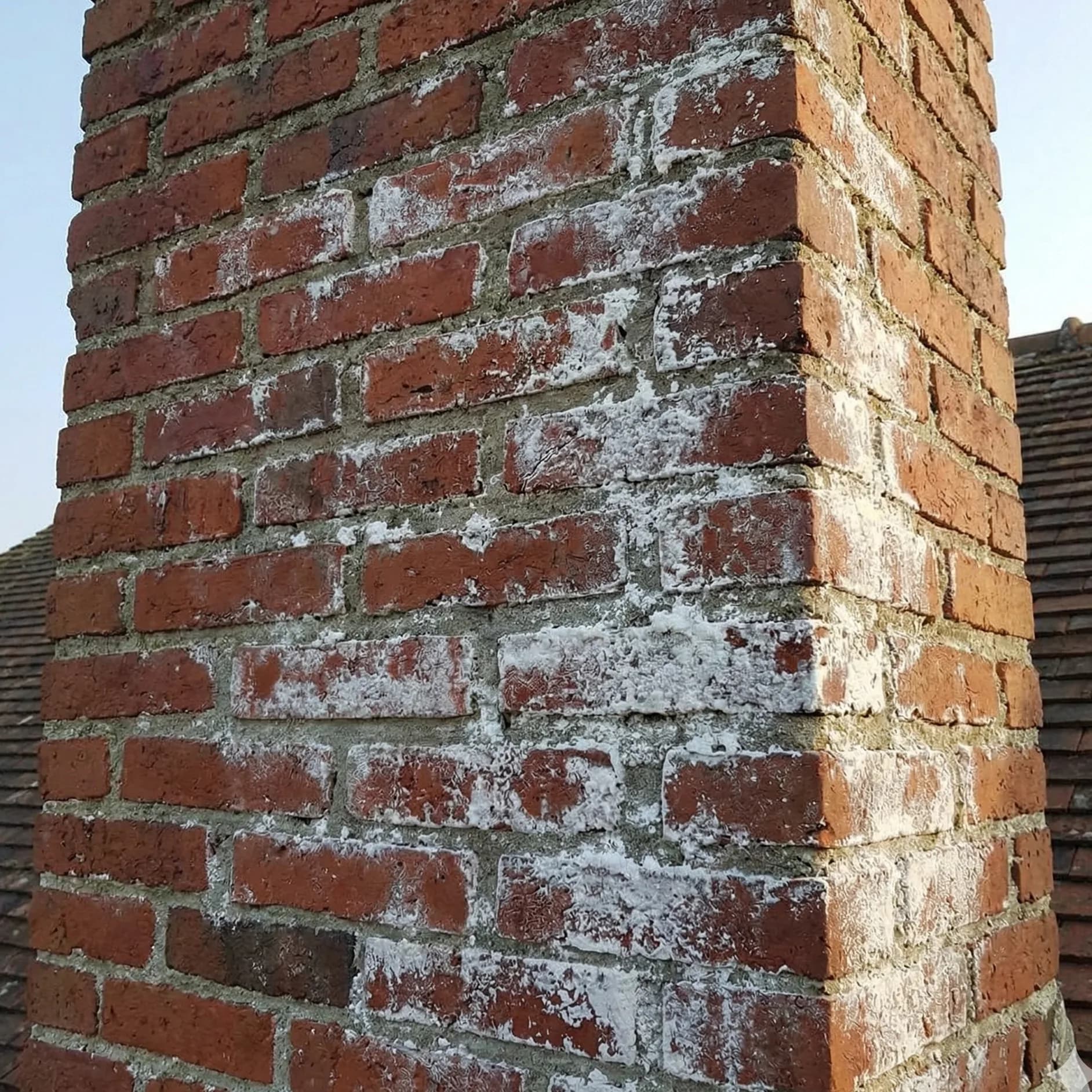
Active leak symptoms look different from moss growth: water stains on interior walls or ceilings near the fireplace, rust staining inside the firebox, white efflorescence on exterior brickwork, or spalling brick faces are signs water is moving through the structure — not just sitting on the surface. Moss alone, on otherwise intact masonry, is more of a deterioration risk than an active leak indicator.
The important nuance: moss accelerates the mortar joint deterioration that eventually allows moisture to penetrate. A chimney with 10–15 years of heavy untreated moss growth is working its way toward active leaking even if it isn't leaking today. The rhizoids widening mortar joints, the extended moisture exposure compressing more freeze-thaw cycles per winter, the gradual erosion of joint material — these create the conditions for a future water intrusion problem.
If you have moss and active water intrusion symptoms — damp smell, rust in firebox, water stains near the fireplace wall — schedule a chimney inspection before treating the moss. Our guide to why chimneys leak when it rains covers how to identify whether the source is masonry absorption, flashing failure, a cracked crown, or a missing cap. Moss alone without water symptoms: treat and prevent. Moss plus water symptoms: inspect first, then treat as part of a water management plan.
When Is the Best Time to Remove Chimney Moss in Seattle?
May through June is the optimal window for chimney moss removal in Seattle, for reasons specific to the Pacific Northwest climate. Moss is metabolically active during spring growth — it absorbs zinc sulfate biocide more efficiently than dormant winter moss, making treatment more effective. Seattle's May–June window is also reliably drier than the rest of the year, giving cleaned and treated masonry the best conditions to dry thoroughly before fall rains return in September.
Spring timing also enables the most effective treatment sequence: remove moss in May, allow masonry to dry fully for seven to fourteen days, then apply waterproofing sealant in late May or June. Trying to compress both into a single visit is possible but the masonry isn't as receptive to waterproofing sealant penetration immediately after wet cleaning. Properly sequenced spring maintenance gives waterproofing the best chance of full penetration and maximum protection duration.
Scheduling is also simply easier in spring. Fall — September through November — is peak demand season in Seattle. Every homeowner scheduling their chimney for winter prep simultaneously creates three-to-six-week lead times. Spring appointments typically run five to seven business days. For a service that benefits from dry conditions and scheduling flexibility, spring is the clear choice. Based on 14 years of Seattle-area chimney service, homeowners who treat and waterproof in spring show dramatically slower rates of masonry deterioration than those who defer to fall or winter.
Schedule Chimney Moss Removal in Seattle Today
If your chimney has visible moss growth — especially if it hasn't been treated in five or more years — this summer is the right time to address it before fall rains return and freeze-thaw cycles resume. A standard moss treatment with zinc strip installation runs $225–$400 for most Seattle-area homes and can prevent hundreds to thousands of dollars in mortar repair costs down the line. Seattle Chimney Pros serves 45 communities across King, Pierce, and Snohomish counties, with scheduling available within five to seven business days this summer. Call (206) 278-2924 or book your $99 inspection online — ask about combining moss removal with a chimney inspection or sweep to reduce your total service cost in a single visit.
Need professional help?
Our professionally trained team is ready. $99 inspection credited toward repairs, 30-minute response.