Pellet Stove vs. Wood Stove in Seattle: 2026 Comparison Guide
Pellet Stove vs. Wood Stove in Seattle: The Direct Answer for 2026
For most Seattle homeowners in 2026, a pellet stove is the more practical daily-use choice — it burns at 70–90% efficiency, is exempt from Puget Sound Clean Air Agency burn bans, and requires no masonry chimney. Installed cost runs $2,450–$6,250. A wood stove costs $3,350–$8,100 fully installed, operates at 60–80% efficiency, and is restricted during Stage 1 and Stage 2 burn bans unless it's your sole heat source. That said, wood stoves offer something pellet stoves never will: complete independence from electricity, real radiant heat, and the visible flame that defines a Pacific Northwest winter evening. Based on over 340 stove inspections and installations our team completed across the Seattle metro in the past two years, the right choice almost always comes down to two questions: Do you have an existing chimney? And how often does your neighborhood lose power in November? Current as of July 2026.
A Real Decision: Marcus T. in Greenwood Chooses Between Two Stoves
When Marcus T. bought a 1952 brick bungalow in Greenwood last September, the inspection report noted an aging oil furnace and an original masonry fireplace with a cracked clay liner. His heating bills the first month hit $310. He wanted something more efficient — and more enjoyable — for the long Western Washington heating season. A neighbor on his block had a pellet stove insert; his coworker swore by the wood stove in her Northgate split-level. Marcus called us to get an honest third opinion before spending $3,000–$6,000.
Alex arrived on a cool Tuesday morning and started where he always does: the chimney. He ran a Level 2 camera inspection up the original flue and found what the home inspection had flagged — a series of hairline cracks in the clay tile liner starting about 8 feet up, consistent with decades of thermal cycling and Seattle's freeze-thaw winters. The firebox itself was structurally sound, the crown was solid, and the exterior brick showed only light efflorescence. Alex walked Marcus through the findings at the firebox, explaining what each image from the camera showed.
'The liner cracks are the deciding factor here. If you want a wood stove, we'd need to reline the flue with a 316Ti stainless liner before connecting anything — that's $1,800–$2,400 on top of the stove itself. If you go pellet, we skip the chimney entirely and run a 4-inch direct vent through the exterior wall. You'd be heating with the pellet stove within a day of installation.'
— Alex, Lead Technician, Seattle Chimney Pros
Marcus weighed the options for a week. He ultimately chose a mid-range pellet stove insert — installed cost came to $4,100, including the wall vent, hearth work, and permits. His November heating bill dropped to $140. He told us afterward: 'I did miss the flames for about a week. Then I stopped missing them once I realized the house was warm when I got home without me doing anything.' He's already asked us to put him on the spring inspection list for 2027.
How Do Pellet Stoves and Wood Stoves Actually Work?
Understanding the mechanics explains most of the practical differences in cost, maintenance, and performance.
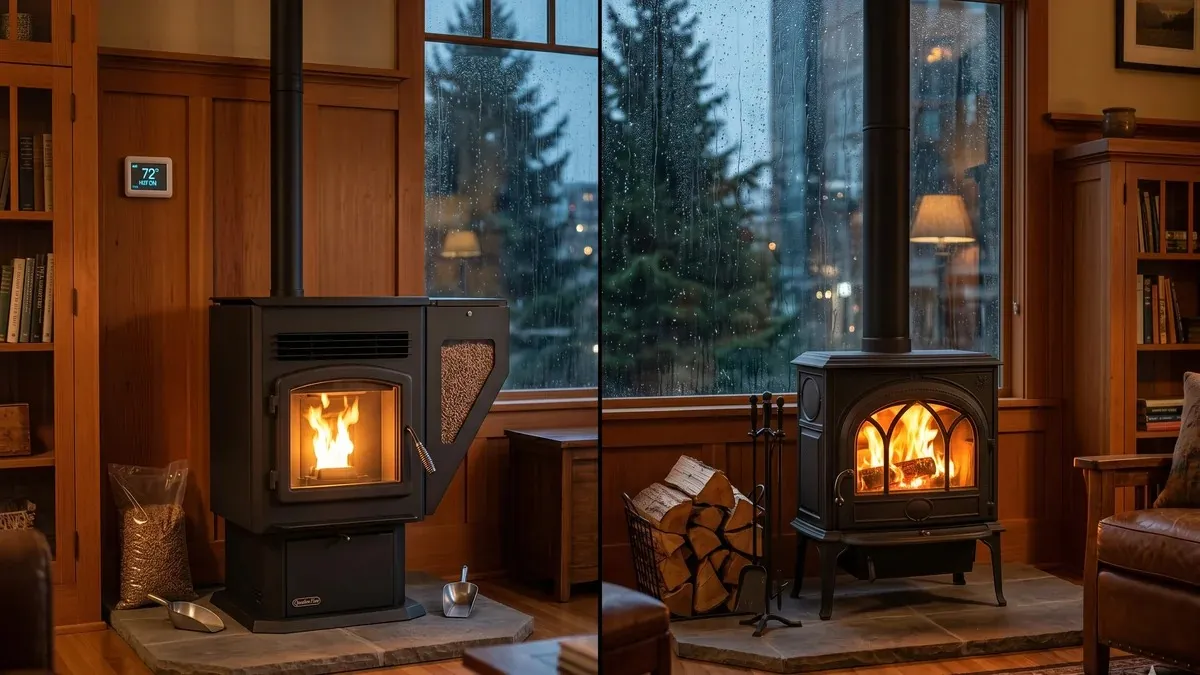
A pellet stove burns compressed wood pellets — uniform 1-inch cylinders made from sawdust and wood waste — fed automatically from a hopper (typically 40–80 lbs capacity) by an electric auger. A combustion fan controls the air supply; a convection fan pushes heated air into the room. A thermostat or digital controller regulates heat output. Because fuel input and air supply are both mechanically controlled, pellet stoves achieve 70–90% combustion efficiency with minimal smoke and almost no creosote. Ash output is roughly 1 cup per 40-pound bag.
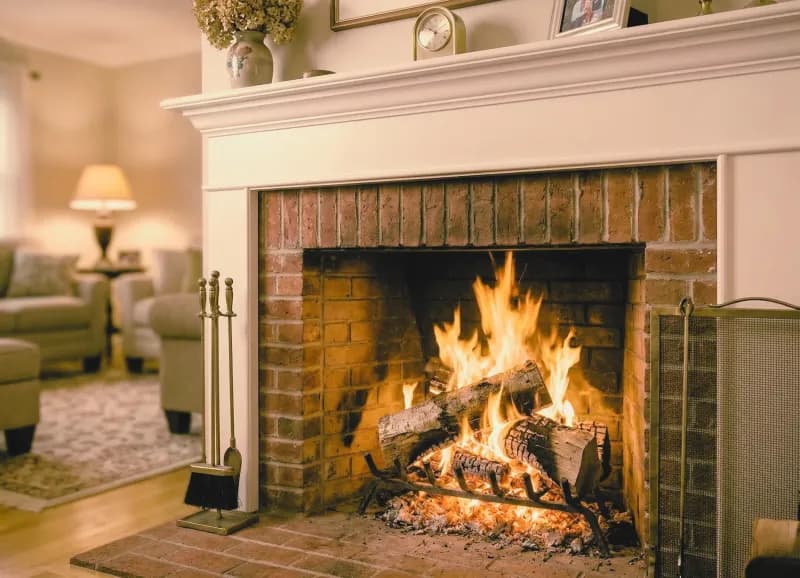
A wood stove burns split cordwood — logs cut to 14–18 inches and dried to below 20% moisture. You load and light the fire manually and adjust burn rate with a manual air inlet damper. Modern EPA-certified wood stoves use secondary combustion chambers or catalytic converters to reach 60–80% efficiency. Older, uncertified stoves may only reach 40–50%. Wood stoves produce real flames, radiant heat, more ash, and significantly more creosote — all of which directly affect chimney requirements and maintenance schedules.
What Does It Cost to Install Each Stove in Seattle in 2026?
The upfront investment includes the stove unit, venting or chimney components, hearth pad, labor, and permits. Here's what Seattle-area homeowners are paying in 2026:
| Cost Component | Pellet Stove | Wood Stove |
|---|---|---|
| Stove unit | $1,500–$4,000 | $1,000–$3,000 |
| Venting / chimney system | $300–$800 (direct vent pipe) | $1,500–$3,500 (Class A or liner) |
| Hearth pad | $150–$400 | $200–$600 |
| Installation labor | $400–$800 | $500–$1,200 |
| Permits (Seattle / King County) | $100–$250 | $150–$300 |
| Total installed cost | $2,450–$6,250 | $3,350–$8,100 |
The biggest cost driver is venting. Pellet stoves use a small-diameter (3–4 inch) double-wall pipe that exits horizontally through an exterior wall — no tall chimney required. Wood stoves need a full Class A chimney or a stainless steel liner inside an existing masonry chimney, adding $1,500–$3,500 to the project. If your home already has a sound masonry chimney with a properly sized flue, the gap narrows. A chimney inspection from our team ($129–$249) can tell you within an hour whether your existing flue is usable for a wood stove connection or needs relining first.
What Does Fuel Cost for Each Stove in the Seattle Area?
Fuel is the ongoing cost that determines total ownership expense over 5–10 years. Here's what Seattle-area fuel prices look like heading into the 2026–2027 heating season:
- Wood pellets: $250–$300 per ton (40 bags × 40 lbs) at home-improvement stores, feed stores, and pellet dealers across the Seattle metro. A typical home using a pellet stove as a primary heat supplement burns 2–4 tons per season, for an annual fuel cost of $500–$1,200. Pellets must be stored indoors or in a fully covered, dry space — wet pellets swell and jam the auger.
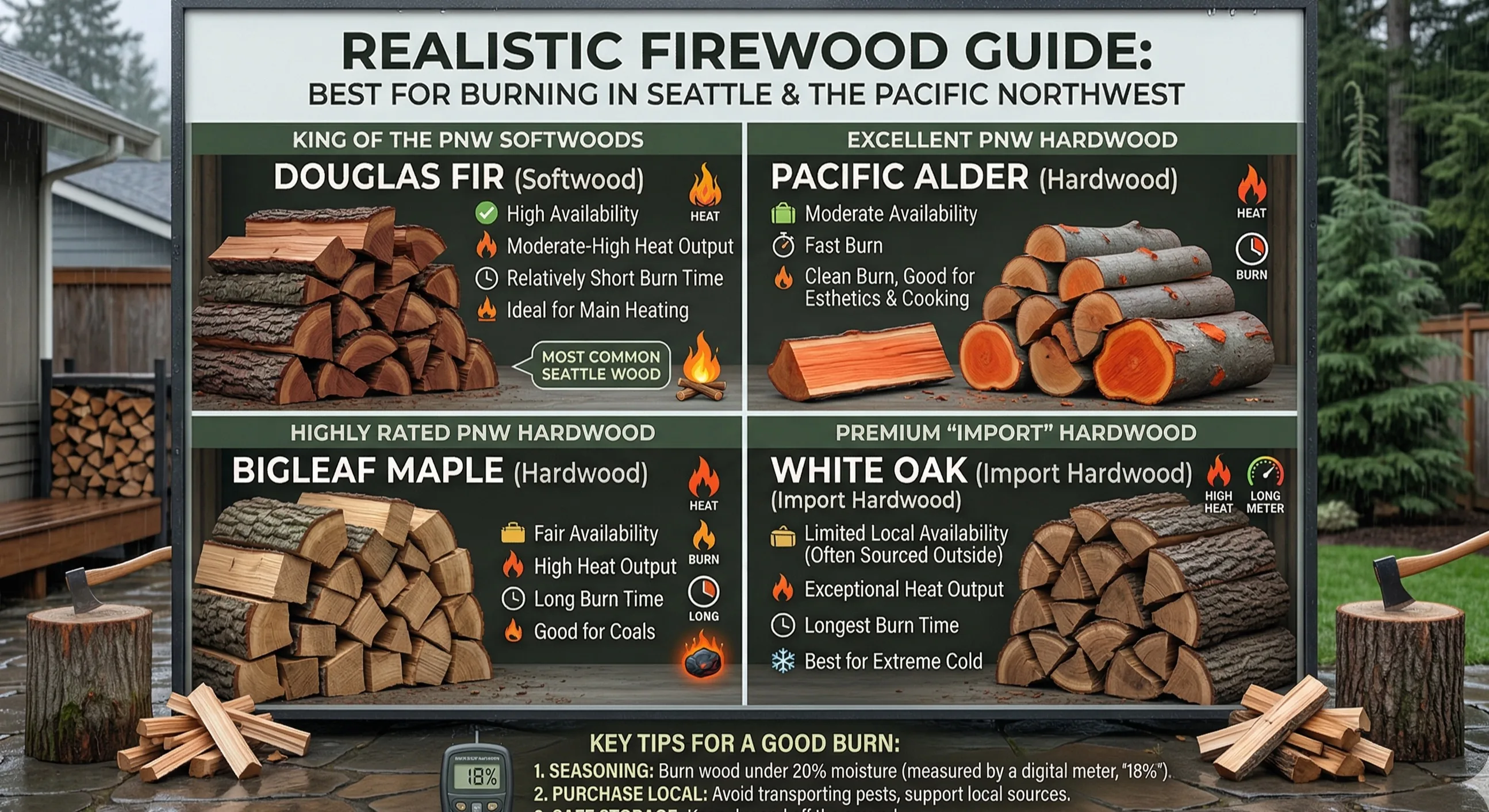
- Cordwood: $300–$400 per cord for seasoned mixed hardwood (primarily alder and maple in Western Washington), delivered and stacked. A typical home using a wood stove as a primary heat supplement burns 2–4 cords per season, for an annual fuel cost of $600–$1,600. Cordwood requires an outdoor storage stack with good airflow and rain cover — a single cord takes up a 4×4×8-foot space.
On a per-BTU basis, pellets and cordwood are close in price in the Seattle market. However, pellet stoves extract significantly more usable heat per dollar of fuel because of their higher combustion efficiency (70–90% vs. 60–80%). Over a full Seattle heating season, a pellet stove will typically cost 10–25% less in fuel to produce the same amount of heat as an EPA-certified wood stove. If you're going the wood stove route, species selection matters. See our guide on the best firewood to burn in Seattle and the Pacific Northwest for a species-by-species comparison of alder, maple, Douglas fir, and others.
How Do Seattle's Burn Ban Rules Treat Each Stove?
This is the regulatory question that most comparison articles skip — and it's the one that matters most if you're in King, Pierce, Snohomish, or Kitsap County. The Puget Sound Clean Air Agency (PSCAA) regulates solid-fuel burning during winter temperature inversions, and the rules treat pellet stoves and wood stoves very differently.
Stage 1 Burn Ban (called when air quality deteriorates during cold, stagnant weather): Uncertified wood stoves and open fireplaces are prohibited unless they're your sole heat source. EPA-certified wood stoves are also restricted to sole-source-of-heat homes. Pellet stoves are allowed regardless of whether you have backup heating.
Stage 2 Burn Ban (severe air quality events): All wood stoves — certified and uncertified — are prohibited unless they're the sole heat source. Pellet stoves remain allowed.
| Appliance Type | Stage 1 Ban | Stage 2 Ban |
|---|---|---|
| Pellet stove | Allowed | Allowed |
| EPA-certified wood stove | Sole heat source only | Sole heat source only |
| Uncertified wood stove | Prohibited | Prohibited |
| Open masonry fireplace | Prohibited | Prohibited |
Seattle averages 5–10 burn ban days per winter, and some seasons — particularly January and February — have seen extended Stage 1 bans lasting a week or more. Fines for violations run $100–$1,000 per incident. For homeowners who rely on solid fuel as a primary supplement to electric or gas heating, a pellet stove's burn ban exemption is a significant practical and financial advantage.
What Are the Maintenance Differences Between Pellet and Wood Stoves?
Both stoves need regular maintenance, but the type, frequency, and cost differ substantially. Neglecting either creates safety hazards — the nature of those hazards differs between the two.
Pellet stove maintenance schedule:
- Daily/weekly: Empty the ash pan (roughly 1 cup per 40-lb bag of pellets)
- Monthly: Clean the burn pot, heat exchanger tubes, and glass door
- Annually: Professional vent cleaning and internal inspection ($150–$250), including auger motor, combustion fan, convection fan, and igniter
- Every 5–10 years: Budget for component replacement — auger motors, fans, and igniters wear out ($50–$300 per part)
Wood stove maintenance schedule:
- After each burn: Rake ash from the firebox (leave a 1-inch ash bed during burning season as insulation)
- Annually: Professional chimney sweep ($179–$349) to remove creosote — this is non-negotiable for wood-burning systems
- Annually: Chimney inspection (typically bundled with the sweep) to check liner condition, connector pipe, and clearances
- Every 5–10 years: Replace door gaskets ($20–$60), firebrick panels ($50–$150), and catalytic combustor if equipped ($100–$250)
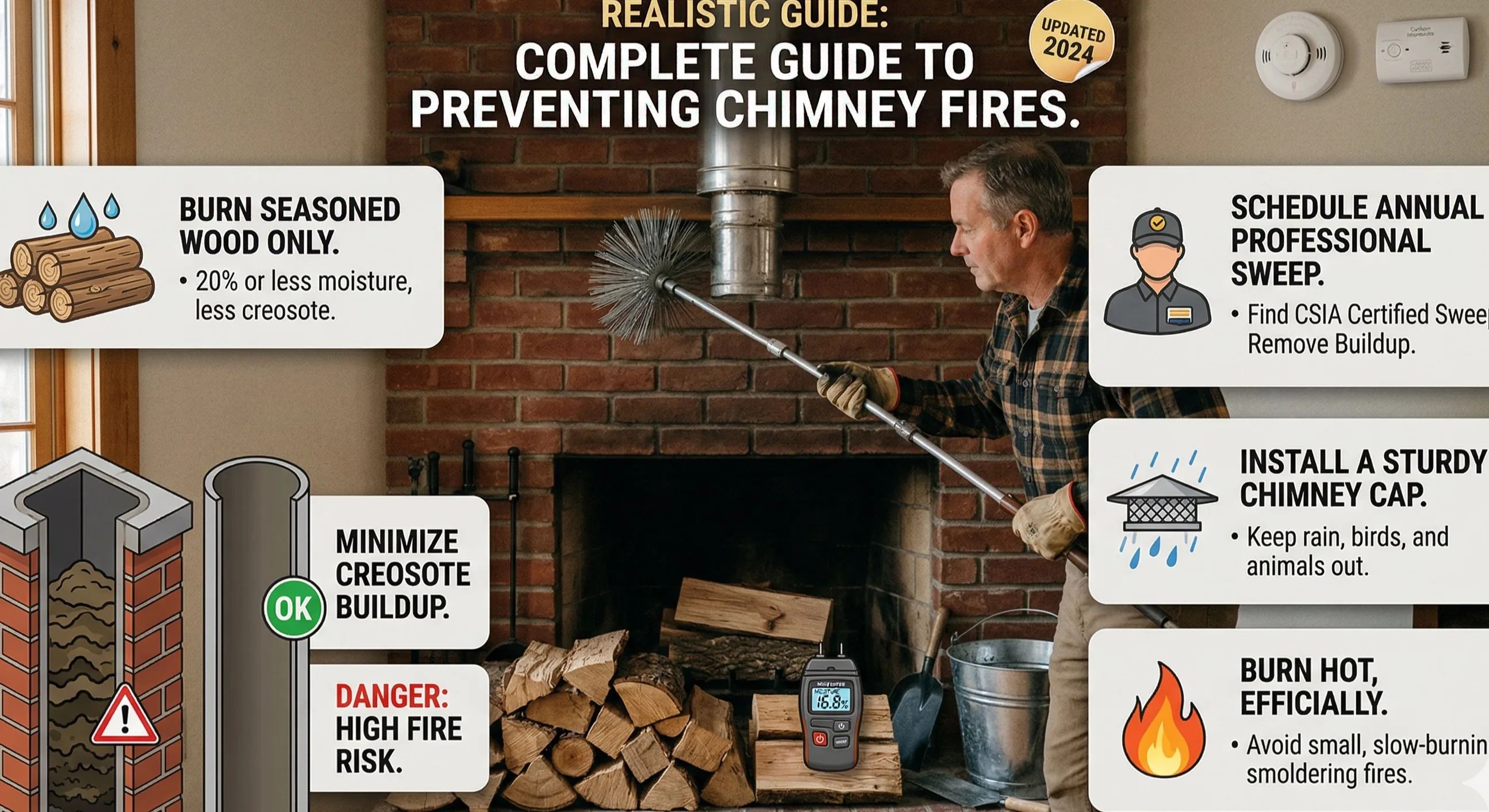
The critical difference is creosote. Wood stoves produce creosote — a highly flammable residue that coats the flue interior and is the leading cause of chimney fires in the U.S. Seattle's damp climate accelerates creosote formation because cooler exterior temperatures cause the flue to run colder, encouraging condensation. Pellet stoves produce negligible creosote because the fuel is dry, uniform, and burns at consistent, controlled temperatures. In our experience across more than 600 wood stove chimney sweeps in the Seattle metro, roughly 1 in 8 jobs finds Stage 2 or Stage 3 creosote — a serious fire risk that requires chemical treatment or rotary cleaning beyond a standard sweep.
Which Stove Is Right for Seattle's Climate and Your Specific Home?
There's no universally correct answer, but the following numbered decision framework covers the factors that matter most for Seattle-area homeowners:
- Do you have an existing masonry chimney? If yes and the liner is sound, a wood stove is a natural fit — you're using infrastructure you already own. If the liner is cracked or undersized, add $1,800–$2,400 for relining before the wood stove math works. If there's no chimney at all, pellet stove wins on installation cost by a wide margin.
- How often does your neighborhood lose power? If you're in an area prone to Puget Sound windstorm outages (West Seattle, Magnolia, Shoreline, wooded Eastside neighborhoods), a wood stove's electricity independence is a genuine emergency-heat advantage. Pellet stoves can be paired with a battery backup ($200–$500), but that's an added cost and system to maintain.
- Is burn ban compliance a concern? If you have supplemental heating (gas furnace, heat pump, mini-split) and you want to use your stove recreationally, a pellet stove means never checking PSCAA alerts. A wood stove under those conditions is legally restricted during Stage 1 and 2 bans.
- What's your priority — ambiance or automation? If you want to set a temperature and forget about it, pellet stove. If you want to come home and light a real fire that you tend through the evening, wood stove. Neither answer is wrong.
- What does your insurer say? Call your carrier before purchasing. Some Washington State homeowners insurers surcharge wood stoves $50–$150/year or require a current inspection report and permit documentation. Pellet stoves are generally treated like gas fireplaces — minimal scrutiny.
In our 14 years of serving the Seattle metro area, we've installed and inspected hundreds of both appliance types. The homeowners who are happiest long-term are the ones who matched the stove to their actual lifestyle — not the one with the better spec sheet. If you'd like us to evaluate your home and chimney before you decide, a chimney inspection gives you the structural information you need to make an informed choice. Our team serves Seattle and Greenwood as well as 43 other communities across the Puget Sound region. For more on chimney fire prevention regardless of which stove you choose, see our guide on how to prevent chimney fires.
Ready to Choose? Here's What to Do Next
If you're leaning toward a wood stove, the first step is a chimney inspection to confirm your existing flue is liner-sound and properly sized — or to get a relining quote if it's not. If you're leaning toward a pellet stove, the first step is a site visit to confirm exterior wall placement and vent routing. Either way, both appliances require permits in Seattle and King County, and both should be installed by a licensed contractor. Call Seattle Chimney Pros at (206) 278-2924 or request a consultation online — we'll walk through your home's specific situation and give you a straight answer on which stove makes sense before you spend a dollar on equipment.
Need professional help?
Our professionally trained team is ready. $99 inspection credited toward repairs, 30-minute response.