Chimney Cap Installation Seattle: What to Expect in 2026
How Much Does Chimney Cap Installation Cost in Seattle in 2026?
Chimney cap installation in Seattle costs between $185 and $995 in 2026, depending on flue size, cap material, and chimney height. Based on 340 cap installations our team completed across the Seattle metro area in the past year, the average homeowner pays $265 for a standard single-flue stainless steel cap, including labor. Homes in Queen Anne or Capitol Hill with taller chimneys or multi-flue setups typically land in the $380–$995 range. Current as of August 2026.
A Real Cap Install: Marcus T. in Greenwood
Marcus T. noticed his Greenwood craftsman's fireplace smelled musty every time it rained — a classic sign of a missing or failed chimney cap. He'd seen our truck in the neighborhood the week before and called to schedule an inspection.
Ryan arrived on a Tuesday morning and climbed to the roofline in under five minutes. What he found wasn't just a missing cap — the flue tile at the crown was pocked with freeze-thaw cracks, and a thin film of moss had already begun colonizing the exposed mortar.
'Without a cap, this flue was acting like a funnel. Every rainstorm sent water straight down the liner. That moss you see? That's six months of moisture sitting in porous brick — it accelerates spalling faster than anything else we see in Seattle.'
— Ryan, Lead Technician, Seattle Chimney Pros
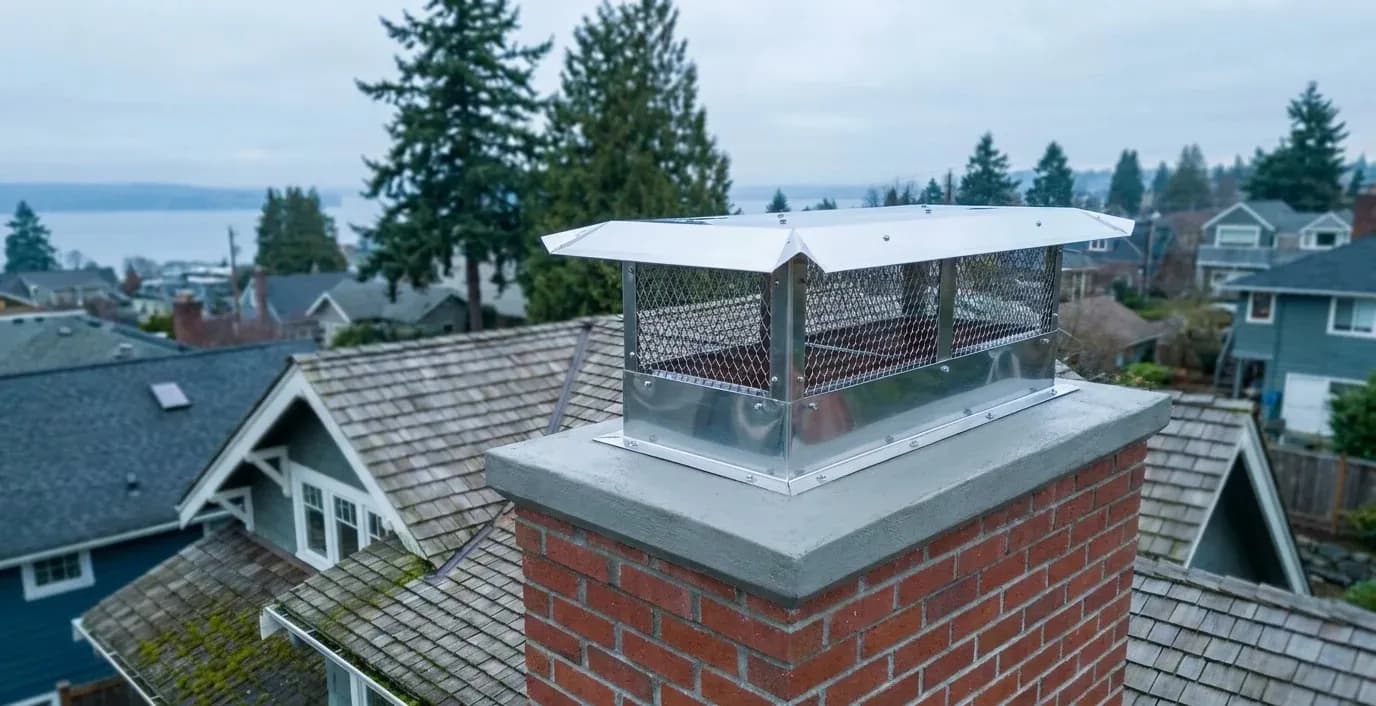
Ryan installed a 13x13 stainless steel multi-flue cap with a mesh spark arrestor in about 45 minutes. Total cost: $289, which included minor crown caulking. Marcus said the musty smell was gone within two dry days. He's now on our annual cap-check list each September.
Why Do Seattle Homes Need Chimney Caps More Than Most Cities?
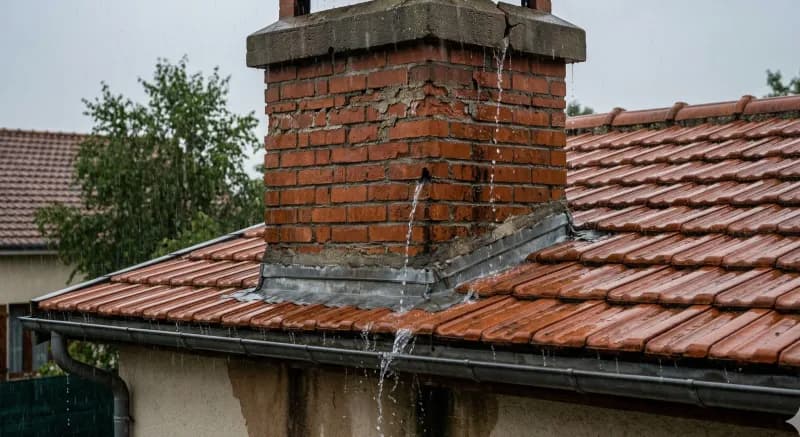
Seattle averages 37–40 inches of rain per year, concentrated between October and April — exactly when homeowners are lighting fires most frequently. An uncapped chimney in the Puget Sound region faces: rainfall directly into the flue, moss and lichen growth on exposed mortar, nesting birds (especially starlings and swifts) in spring, and debris accumulation from nearby evergreen trees.
- Water intrusion: Even 1 inch of standing water in a clay tile liner can cause cracking after a freeze cycle
- Wildlife entry: We removed animals from 67 uncapped chimneys last year alone
- Downdraft: Uncapped flues in Seattle's wind corridors (Magnolia, West Seattle bluff) cause persistent smoke backdraft
- Accelerated creosote: Moisture mixes with creosote deposits, making stage 2 buildup far more likely
Our data shows that homes with caps require chimney sweeps 30% less frequently than uncapped chimneys in comparable Seattle neighborhoods.
What Types of Chimney Caps Work Best in the Pacific Northwest?
Not all caps perform equally in Seattle's wet climate. Here's what our techs recommend based on hundreds of installations:
| Cap Type | Material | Cost Range | Lifespan (Seattle) |
|---|---|---|---|
| Standard Single-Flue | 304 Stainless Steel | $185–$265 | 15–20 years |
| Multi-Flue Cover | Galvanized / SS | $280–$420 | 10–15 years |
| Top-Mount Damper Cap | Cast Iron / SS | $325–$995 | 20–25 years |
| Copper Decorative | Copper | $395–$700+ | Lifetime |
For most Seattle homeowners, we recommend 304 stainless steel single-flue caps — they resist rust in our salt-adjacent marine climate and don't require painting or recoating. Galvanized caps tend to rust within 5–7 years in neighborhoods close to Puget Sound.
What Happens During a Chimney Cap Installation Visit?
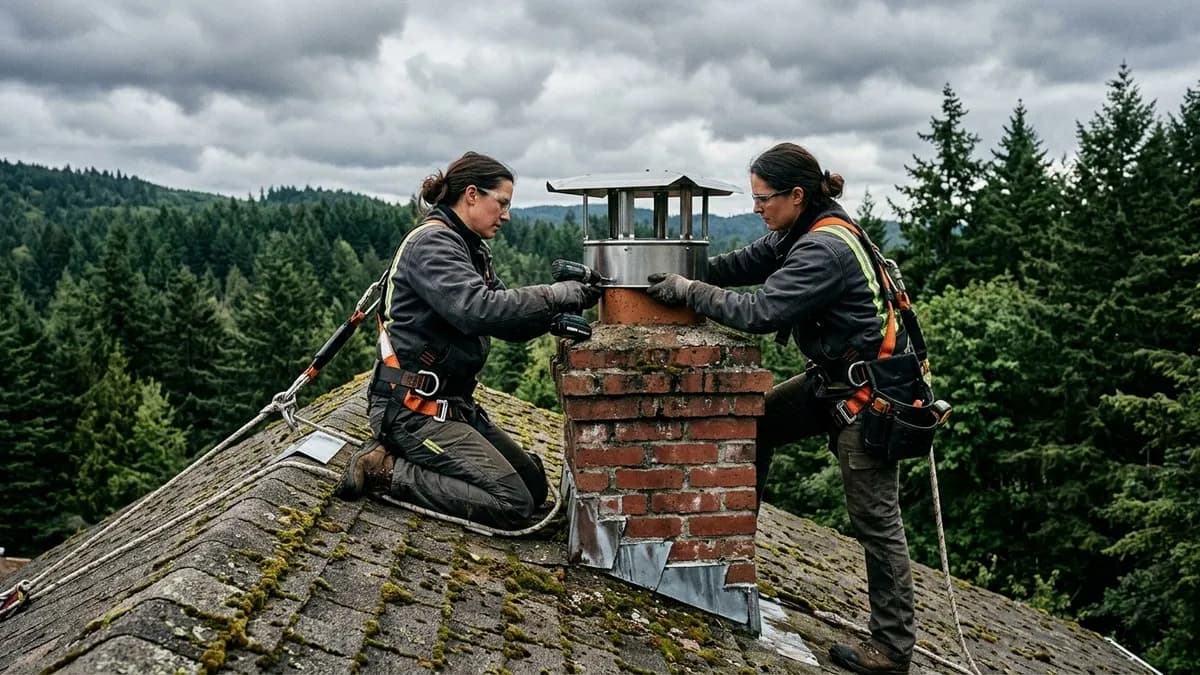
Here's what to expect when our team arrives for a cap installation:
- Measure the flue opening — our tech measures the flue tile outer dimensions from the rooftop (usually 8x8, 8x13, or 13x13 inches for standard masonry flues)
- Inspect the crown — we check for cracks or spalling that need caulking before the cap goes on
- Select or fit the cap — we carry the most common sizes on the truck; custom sizes are ordered and installed within 3–5 business days
- Secure with screws or sealant — caps are anchored to the flue tile with stainless steel set screws; on older chimneys with irregular tile, high-temp silicone is used
- Final inspection from the ground — we confirm the cap is level and the mesh spark arrestor is intact
Most cap installations take 30–60 minutes. If a chimney cap installation is combined with a sweep or inspection, we bundle the rooftop time and the labor discount saves you $40–$65.
How Do You Know If Your Chimney Cap Needs Replacing?
Many Seattle homeowners don't realize their cap has failed until they have a water or animal problem. Watch for these signs:
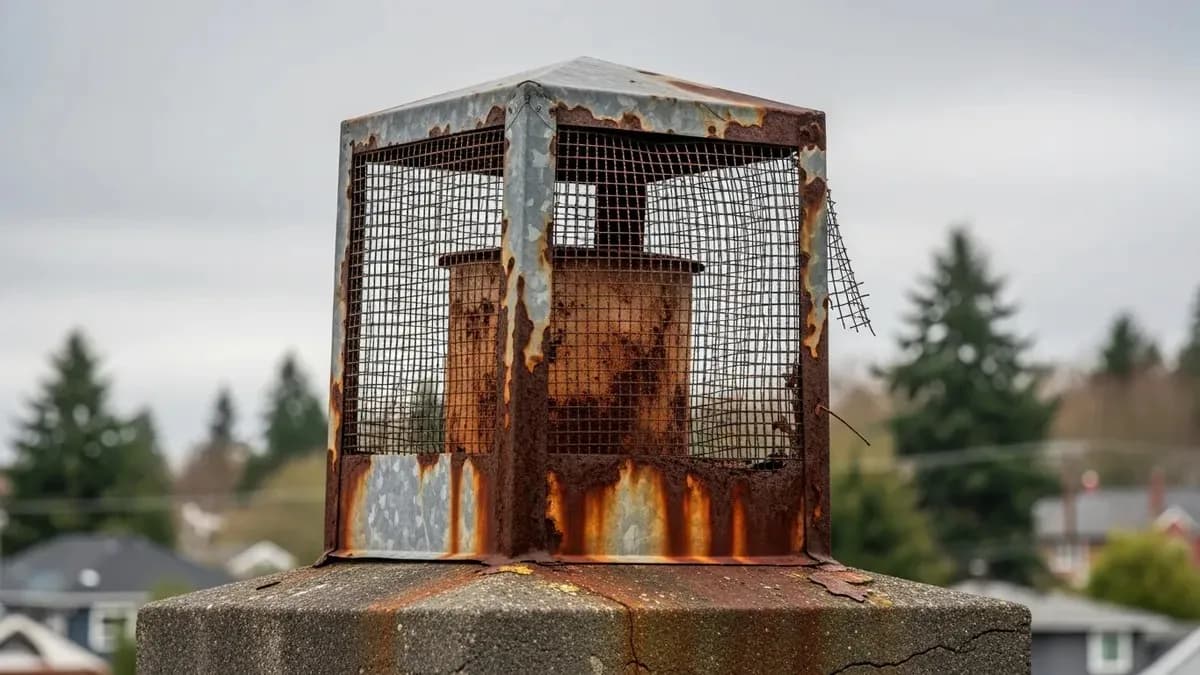
- Rust stains running down the exterior of the chimney
- Sounds of birds or animals inside the flue (especially April–June)
- Water in the firebox after rain — even a small puddle is a red flag
- Visible mesh damage or cap sitting at an angle (visible from street level with binoculars)
- Musty or earthy smell from the fireplace during or after rain
Our chimney inspection includes a cap condition assessment as standard. In our experience across Seattle-area homes, about 28% of caps we inspect on homes built before 1990 need replacement — they're either galvanized and rusted through, or the mesh has corroded to the point where a squirrel could push through it.
Homeowners in Greenwood and Ballard tend to see faster cap degradation due to proximity to Puget Sound's salt-laden air.
Is a Chimney Cap Required by Seattle Building Code?
Washington State does not explicitly mandate chimney caps on existing homes under WAC 51-51 (Washington State Building Code), but NFPA 211 — the national standard for chimneys and fireplaces — strongly recommends caps on all open-top flues. More practically: if you're having a chimney relining done or any permit-required repair, Seattle's building department will typically require a cap as part of the approved scope.
Insurance implications matter too: after a water intrusion claim, several Washington homeowners have had insurers cite an uncapped chimney as a maintenance deficiency, reducing or denying coverage. Installing a cap before the rainy season is straightforward loss prevention.
Ready to Protect Your Chimney Before Fall Rains Hit?
August is the best time to schedule a cap installation — our schedule opens up compared to the October rush, and you'll have your chimney protected before the first serious rain of the season. We serve the full Seattle metro area including Greenwood, Ballard, Capitol Hill, Queen Anne, and 40+ surrounding communities.
Call us at (206) 278-2924 or schedule online — most cap installs can be completed within 3–5 business days of booking.
Need professional help?
Our professionally trained team is ready. $99 inspection credited toward repairs, 30-minute response.