Chimney Fire Emergency: What to Do Right Now in 2026 (Step-by-Step)
⚠️ What to Do During a Chimney Fire Right Now (2026 Guide)
If you suspect an active chimney fire, call 911 immediately before reading further. Chimney fires reach 2,000°F or higher inside the flue and can spread to your attic, walls, and roof in as little as 5 to 15 minutes. Based on post-fire inspections our team completed across the Seattle metro area over the past several years, the most dangerous chimney fires are ones homeowners hesitate to call in because the fire 'looks small.' It never stays small. The steps below — evacuate, call 911, contain if safe, document after — are the same ones Seattle Fire Department recommends and the same protocol our lead technician Alex walks through with every client after a fire event. Current as of June 2026.
A Real Chimney Fire in Seattle: Marcus T. from Greenwood
On a cold Wednesday evening last February, Marcus T. was burning a fire in his 1958 Greenwood rambler when he heard what he described as 'a low roar that got louder fast — like someone turned on a jet engine inside the wall.' He stepped outside and saw orange sparks shooting from the chimney top and a thick column of black smoke rising into the overcast sky. He got his family out immediately, called 911, and closed the firebox doors on his way out the door.
Seattle Fire responded in six minutes. By the time they cleared the scene, the fire was contained to the flue — no spread to the attic, largely because Marcus had closed the damper before evacuating. He called us the next morning. Alex arrived at 8 a.m. with a full Level II inspection kit.
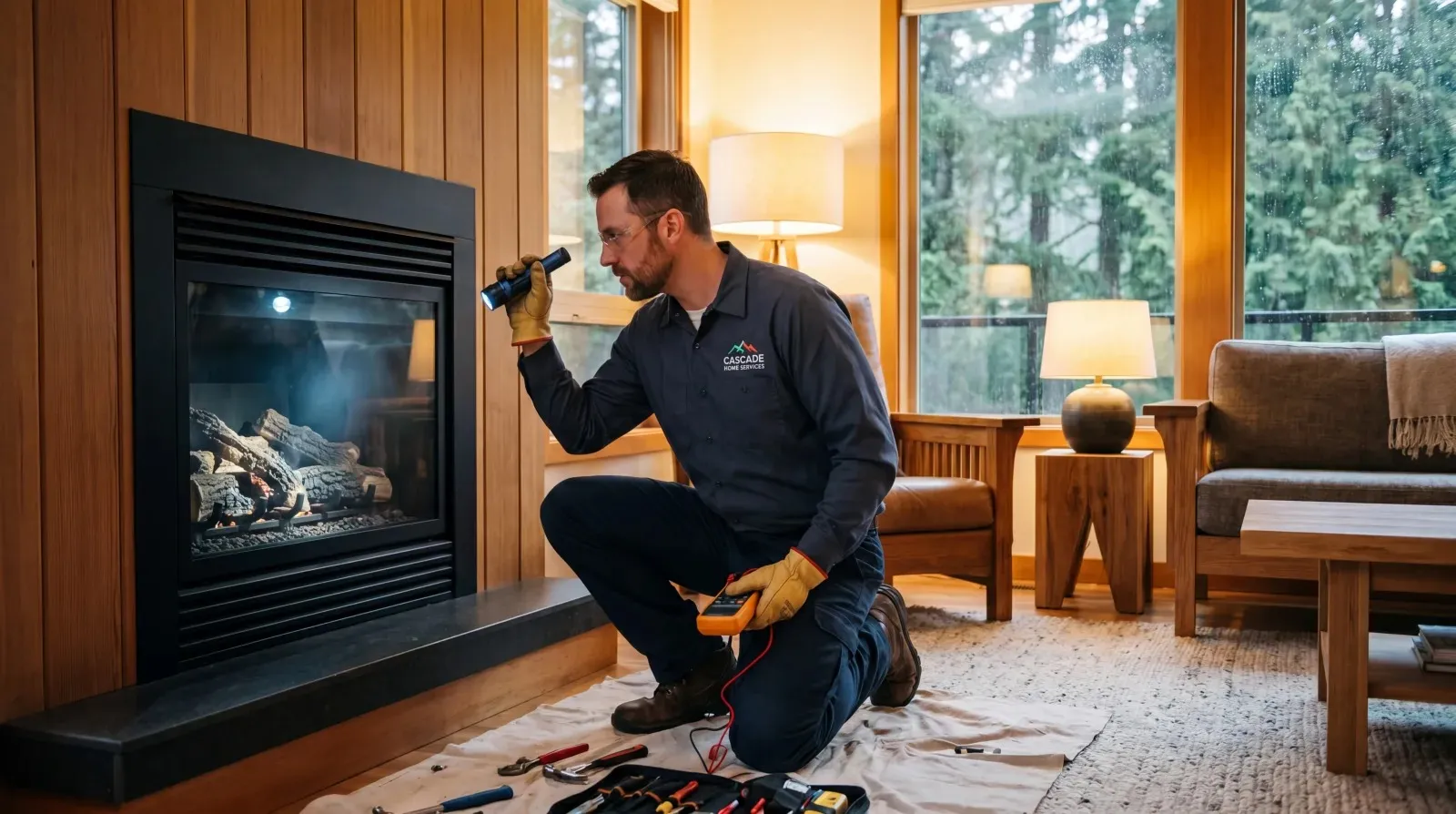
'The moment I put the camera up the flue, I could see what had happened,' Alex said. 'Stage 3 creosote — that thick, glazed buildup — had ignited about four feet above the smoke shelf. The liner had two clean fractures from thermal shock, and the mortar joints on the upper third of the chase were crumbling. The fire had been cooking in there for probably 20 minutes before Marcus noticed.' The inspection ran $299. The repair estimate for full stainless steel liner replacement and upper masonry repointing came to $3,400 — covered almost entirely by Marcus's homeowner policy after we provided the inspection report.
'I keep thinking about what would've happened if I'd waited another ten minutes to go outside,' Marcus told us. 'I had no idea it could go that fast.'
'Stage 3 creosote ignition is what we call a true chimney fire — that glazed tar coating turns into a fuel source that burns hotter than the wood that created it. Once it lights, closing the damper is the single most effective thing a homeowner can do while waiting for 911.'
— Alex, Lead Technician, Seattle Chimney Pros
How Do You Know If You Have an Active Chimney Fire?
Chimney fires announce themselves in several ways, though some burn silently for hours without obvious signs. Knowing the difference between a normal fire and a chimney fire emergency can save your life.
Active chimney fire warning signs:
- Loud cracking, popping, or roaring — often described as a freight train or jet engine sound coming from inside the walls
- Dense black or gray smoke from the chimney top — visible from outside, far heavier than normal wood smoke
- Visible flames or sparks shooting from the flue opening
- Glowing red chimney exterior — particularly visible at night through the mortar joints
- Unusually intense or uncontrollable flames in the firebox
- Heavy tar or chemical burning smell — distinct from normal wood smoke
- Vibration or heat in walls adjacent to the chimney
Silent chimney fire signs (discovered after the fact during inspection):
- Honeycomb or puffy texture in creosote deposits — indicates past high-heat event
- Warped or discolored damper components
- Cracked or collapsed flue tile sections
- Discolored chimney cap or rain cover
In our experience inspecting Seattle-area chimneys after suspected fire events, roughly 30% of post-fire inspections reveal evidence of a past slow chimney fire the homeowner never knew occurred. This is why a Level II chimney inspection is mandatory after any suspected fire — not optional.
What Are the Exact Steps to Take During a Chimney Fire?
Follow these steps in order. Do not skip ahead. Every second matters.
- Get everyone out of the house immediately — all people and pets, no exceptions. Close interior doors behind you as you go to slow fire spread. Do not return for belongings.
- Call 911 from outside — report 'chimney fire at [your address].' Mention any special circumstances: children, mobility-impaired residents, propane or gas lines. Stay on the line.
- Close the damper if it is safe to approach — cutting oxygen to the flue is the single most effective containment action a homeowner can take. Only do this if the firebox area is not actively burning and you can reach the handle without risk. If in doubt, skip this step and stay outside.
- Close all fireplace glass doors — reduces oxygen supply from the room into the firebox.
- If you own a Chimfex chimney fire extinguisher, drop one into the firebox per product instructions before closing the doors. Do not use a standard fire extinguisher.
- Close all windows and exterior doors on your way out — reduces wind-driven oxygen to the fire.
- Wait outside at your family's designated meeting point and direct firefighters when they arrive. Do not re-enter for any reason.
What Should You Never Do During a Chimney Fire?
These actions make chimney fires significantly worse and are responsible for the majority of serious injuries and structural losses that follow chimney fire events.
- Do NOT pour water on the fire — water on a superheated flue causes thermal shock that shatters the liner, creates dangerous steam explosions, and can accelerate fire spread. Leave water-based suppression to firefighters with the right equipment.
- Do NOT open the damper to inspect the fire — this floods the flue with fresh oxygen and dramatically intensifies combustion.
- Do NOT remove burning logs from the firebox — live embers dropped on carpet or flooring cause secondary fires instantly.
- Do NOT stay inside to monitor the situation — fires at 2,000°F spread faster than most people expect. The attic can be fully involved before any smoke is visible on the main floor.
- Do NOT spray the roof or chimney exterior with a garden hose — thermal shock from cold water on hot masonry causes the same cracking as pouring water inside, and water infiltration through cracked masonry can cause damage exceeding the original fire.
- Do NOT assume the fire is out because the sounds stopped — smoldering creosote can reignite. Only firefighters with thermal imaging can confirm full extinguishment.
What Happens After the Fire Is Out? The Post-Fire Protocol
Once Seattle Fire Department clears the scene and confirms the fire is extinguished, a specific sequence of steps protects your safety and your insurance claim.
| Step | Action | Timing |
|---|---|---|
| 1 | Do not re-enter until fire department clears the structure | Immediately after |
| 2 | Photograph all visible damage — interior, exterior, roof, chimney top | Before any cleanup |
| 3 | Call your homeowner's insurance company and file a claim | Same day |
| 4 | Schedule a Level II chimney inspection with a CSIA-certified sweep | Within 24-48 hours |
| 5 | Do not use the fireplace under any circumstances | Until cleared in writing |
| 6 | Wait for insurance adjuster inspection before beginning repairs | Before any repair work |
| 7 | Get written inspection report documenting all damage | Before repairs start |
| 8 | Complete all required repairs and obtain final clearance certification | Before first use |
Most standard Washington State homeowner's policies cover chimney fire damage including flue relining, masonry repair, and interior damage caused by fire spread. Our inspection reports are formatted specifically to support insurance claims and are accepted by all major carriers operating in the Seattle area.
What Damage Does a Chimney Fire Actually Cause?
Chimney fires cause three distinct categories of damage — only one of which is visible to the naked eye. This is why a post-fire inspection is non-negotiable before any future fireplace use.
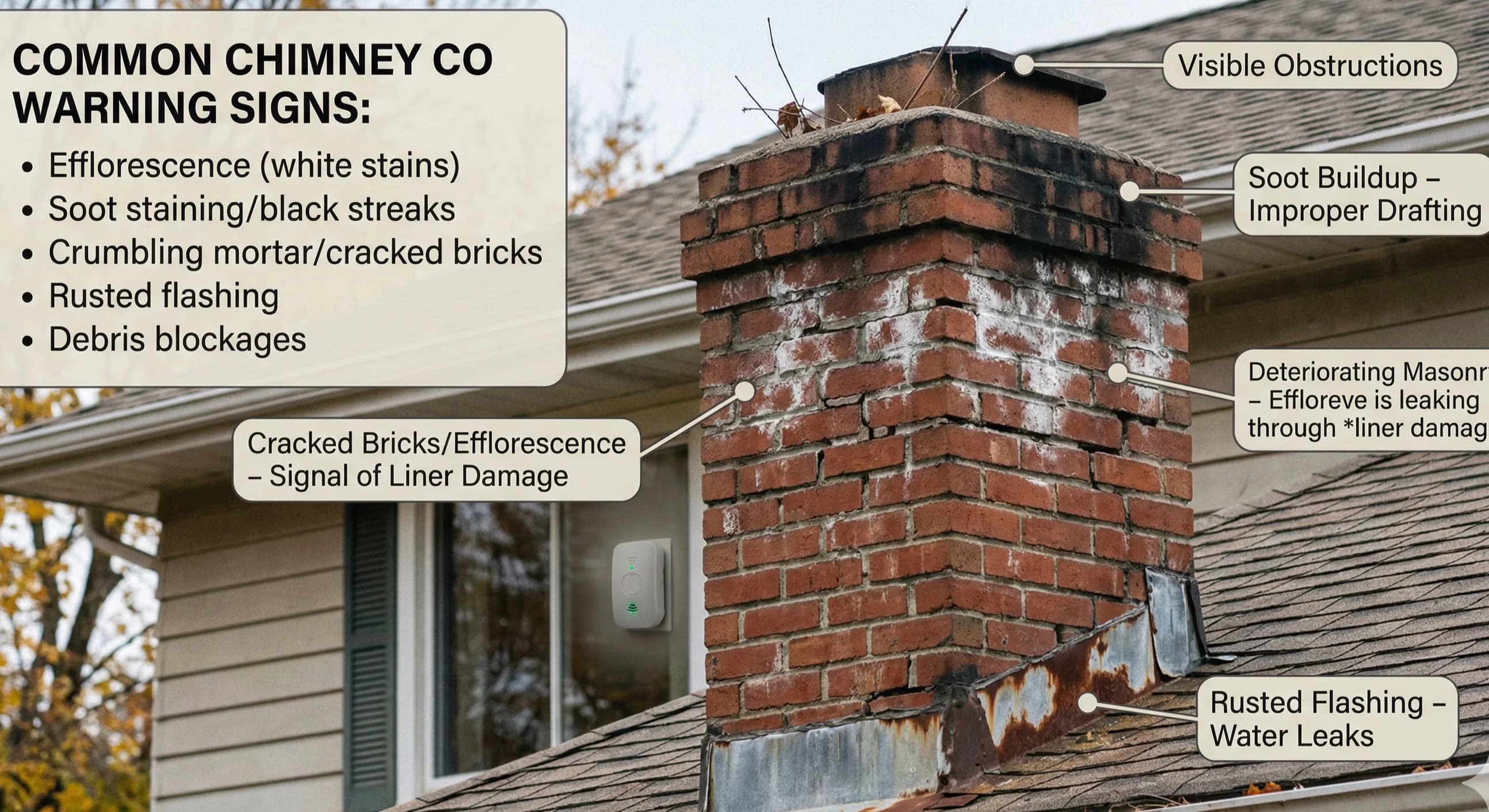
- Visible structural damage: cracked or collapsed chimney crown, missing or displaced bricks, damaged chimney cap, scorched mortar joints on the upper chase. Visible from the ground or rooftop.
- Internal flue damage: cracked, spalled, or collapsed clay flue tiles; warped or fused damper components; compromised smoke shelf. Visible only with a camera inspection. In the post-fire inspections our team completed last year, approximately 78% showed internal liner damage that was not apparent from outside the chimney.
- Hidden structural damage: heat-weakened mortar throughout the chase, compromised wood framing clearances in the attic space, damaged firebrick or refractory panels in the firebox. These issues may not manifest visibly for months but create ongoing and escalating fire risk.
Repair costs after a chimney fire vary significantly based on damage scope. Based on post-fire jobs we've completed across the Seattle metro:
| Damage Type | Typical Repair | Cost Range (Seattle, 2026) |
|---|---|---|
| Cracked flue liner only | Stainless steel liner relining | $1,800 – $3,200 |
| Crown + liner damage | Crown replacement + relining | $2,400 – $4,500 |
| Upper masonry + liner | Partial rebuild + relining | $3,500 – $6,500 |
| Severe structural damage | Full chimney rebuild | $7,000 – $14,000+ |
| Level II post-fire inspection | HD camera + written report | $249 – $399 |
Learn more about what chimney relining involves and why it's required after most fire events.
How Can You Prevent a Chimney Fire From Happening Again?
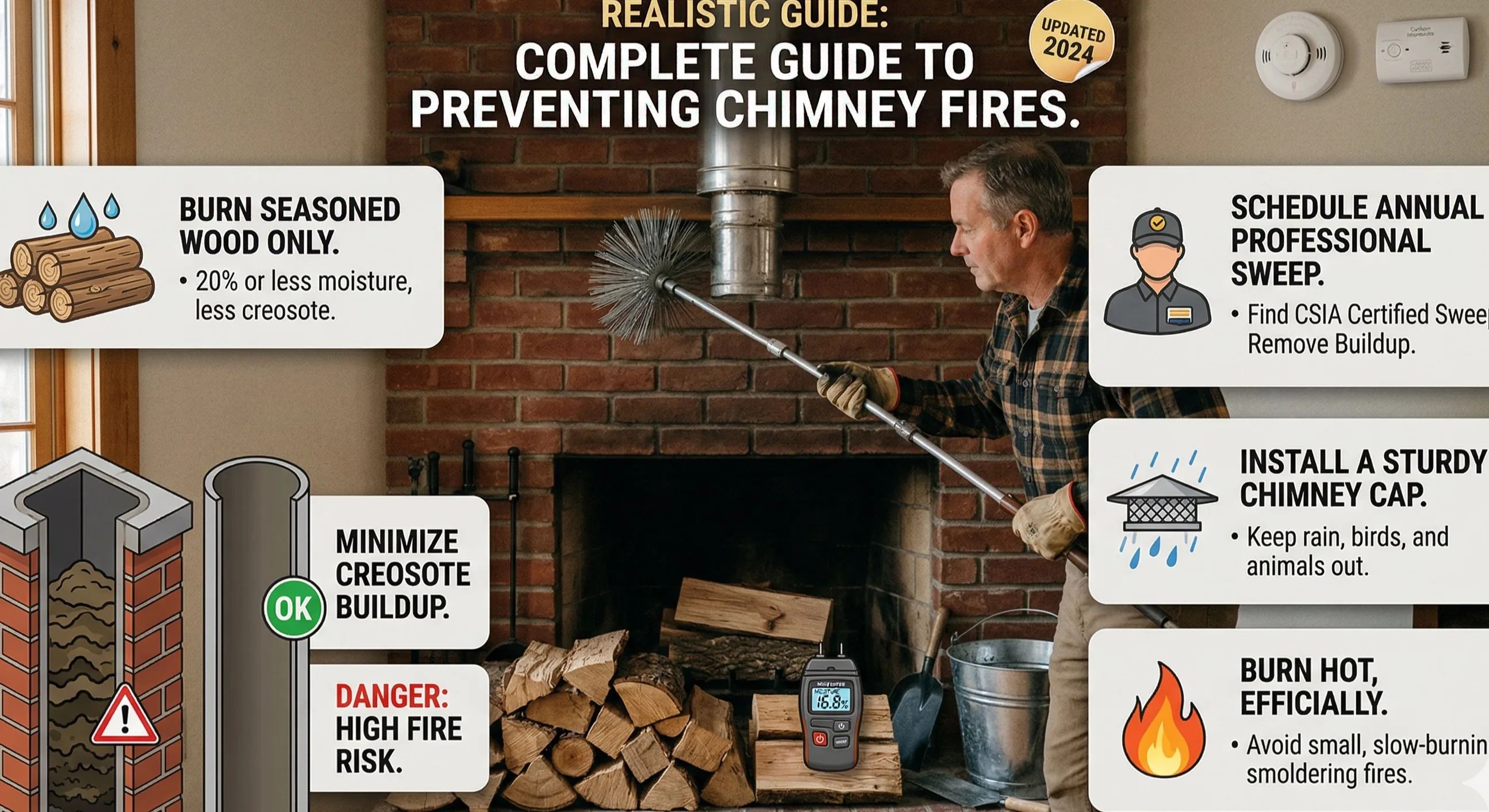
The overwhelming majority of chimney fires are caused by creosote ignition — a preventable condition. Based on over 800 chimney sweeps and inspections our team completed across the Seattle metro last year, creosote accumulation to Stage 2 or Stage 3 levels is the root cause in nearly every case. Creosote buildup is directly driven by burning unseasoned wood, infrequent sweeping, and poor combustion habits.
- Schedule an annual professional chimney sweep — removes creosote before it reaches ignition levels. A standard chimney sweep in Seattle costs $169–$329 and is the single most effective fire prevention measure available.
- Burn only properly seasoned hardwood — wood with moisture content above 20% produces 300% more creosote per fire than dry wood. Use a moisture meter if you're unsure about your wood supply.
- Use the top-down fire method — place larger logs at the bottom, kindling on top, and light from the top. Burns cleaner and produces less creosote than bottom-up lighting.
- Warm the flue before a full fire — especially important in Seattle's cold, damp winters. Hold a lit piece of newspaper inside the firebox for 30–60 seconds before lighting your main fire to establish upward draft.
- Install working smoke and carbon monoxide detectors on every level of the home. Test monthly, replace batteries annually.
- Address draft problems immediately — a fireplace that smokes back into the room is a sign of a flue problem that accelerates creosote buildup. See our draft troubleshooting guide or our complete chimney fire prevention guide.
- Get a Level I inspection annually — catches early-stage problems before they become fire hazards. Review our guide to inspection levels to understand what each covers.
Seattle's climate — frequent rain, temperature swings, and high humidity — accelerates the conditions that lead to chimney fires. Homeowners in neighborhoods like Greenwood, Ballard, and other areas with older housing stock and original clay tile liners are particularly at risk. If your home was built before 1980 and has never had a liner inspection, schedule one before next burning season.
Ready to Make Your Chimney Safe Again?
If you've experienced a chimney fire — or if you're concerned your chimney may be overdue for inspection and cleaning — don't wait for a fire to find out. Seattle Chimney Pros provides same-day post-fire inspection and documentation, full Level II HD camera inspection, insurance report preparation, and complete repair services from liner relining to full masonry rebuilds. Our CSIA-certified technicians have handled post-fire inspections and repairs across every Seattle neighborhood and suburb. Call us at (206) 278-2924 or schedule online — we'll get Alex or one of our senior techs out to you fast.
Need professional help?
Our professionally trained team is ready. $99 inspection credited toward repairs, 30-minute response.