Chimney Liner Types and Costs in Seattle 2026: A Complete Guide
What Do Chimney Liners Cost in Seattle in 2026?
Chimney liner replacement in Seattle costs between $900 and $5,500 in 2026 depending on liner type, flue length, and fuel type. Based on 180+ chimney relining in Seattle jobs our team completed across the Seattle metro last year, stainless steel flexible liners are the most common choice, averaging $1,800–$2,800 for a standard single-story wood-burning fireplace. Clay tile repair runs $900–$1,800, while cast-in-place liners — the most durable option — average $3,200–$5,500. Gas appliance liners are smaller-diameter and typically cost $900–$1,600. Current pricing as of July 2026.
A Real Relining Job: Diane K. in Ravenna
Diane K. had been using her 1958 Ravenna brick fireplace every winter for six years without incident. Last October, a Level 2 inspection triggered by a home sale flagged a cracked clay tile liner — three tiles fractured and one section had partially collapsed into the flue. The buyers' agent required a written repair estimate before closing.
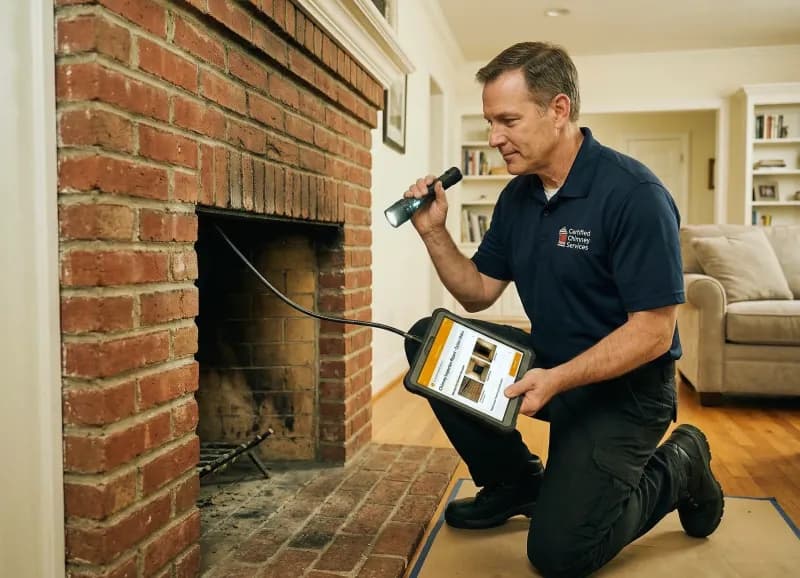
Carlos arrived the next day with a CCTV flue camera. The footage told a clear story. "There was a 14-inch section where two tiles had shifted and cracked completely through," Carlos explains. "That kind of gap means combustion gases — including carbon monoxide — can bleed into the wall cavity instead of exiting at the top. It's the type of defect that causes chimney fires or CO events."
"Cracked clay liners are the number one hidden defect we find on older Seattle homes at resale. The tiles were fine for decades, but years of thermal cycling and Seattle's freeze-thaw winters eventually win. A stainless liner is the most practical fix — it's faster than tile replacement and lasts 25+ years."
— Carlos, Certified Chimney Technician, Seattle Chimney Pros
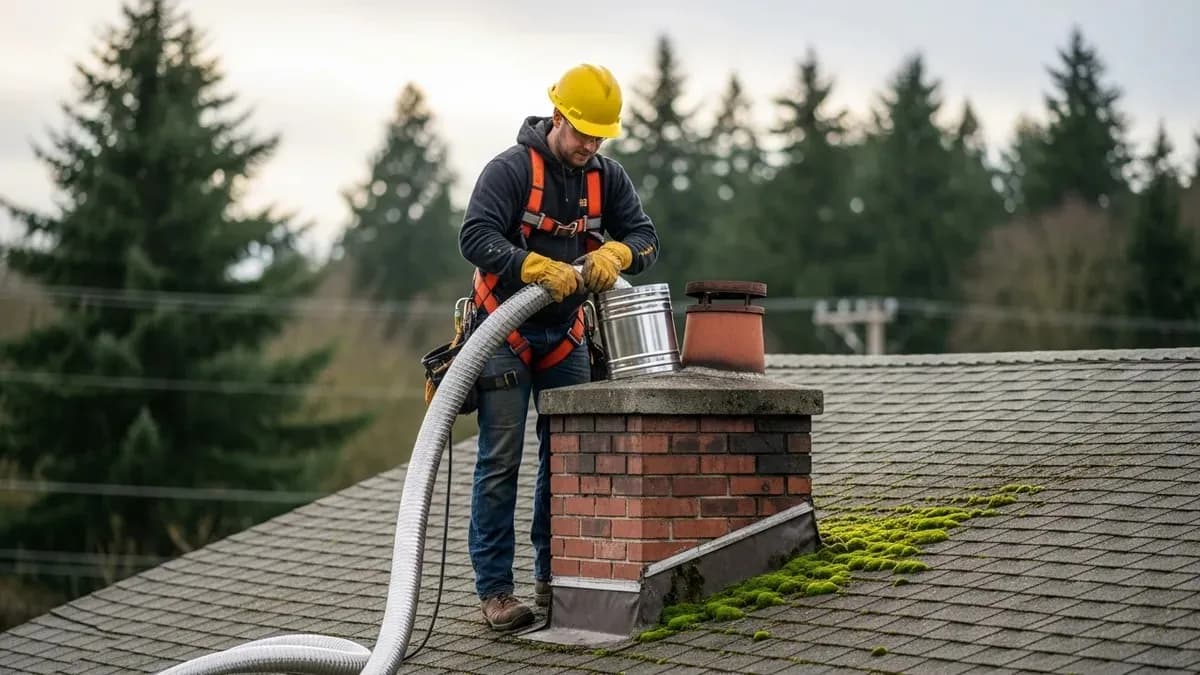
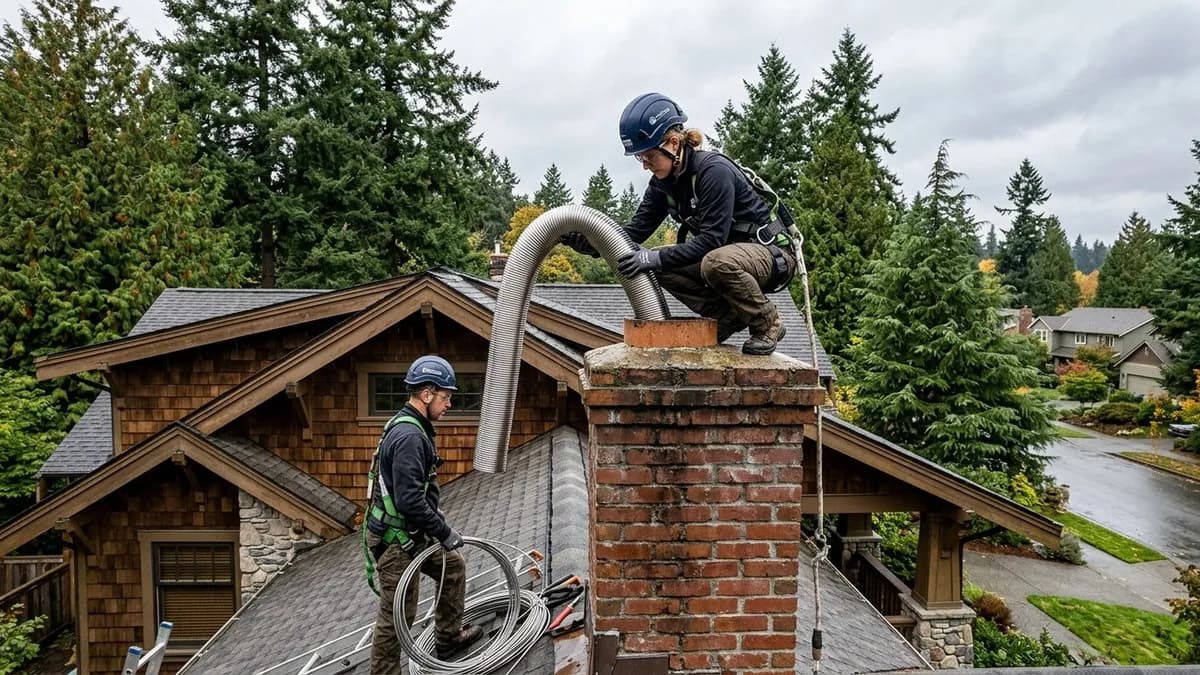
Diane chose a 316-grade stainless steel flexible liner with a top plate and connector kit. Carlos and his partner completed the install in about four hours. The liner dropped from the rooftop cleanly, the connection at the firebox was sealed with high-temp insulation wrap, and the top plate was bolted and sealed the same afternoon. Total cost: $2,350. The sale closed on schedule. Diane has since moved and the new owners are on our annual sweep list.
What Are the Main Types of Chimney Liners?
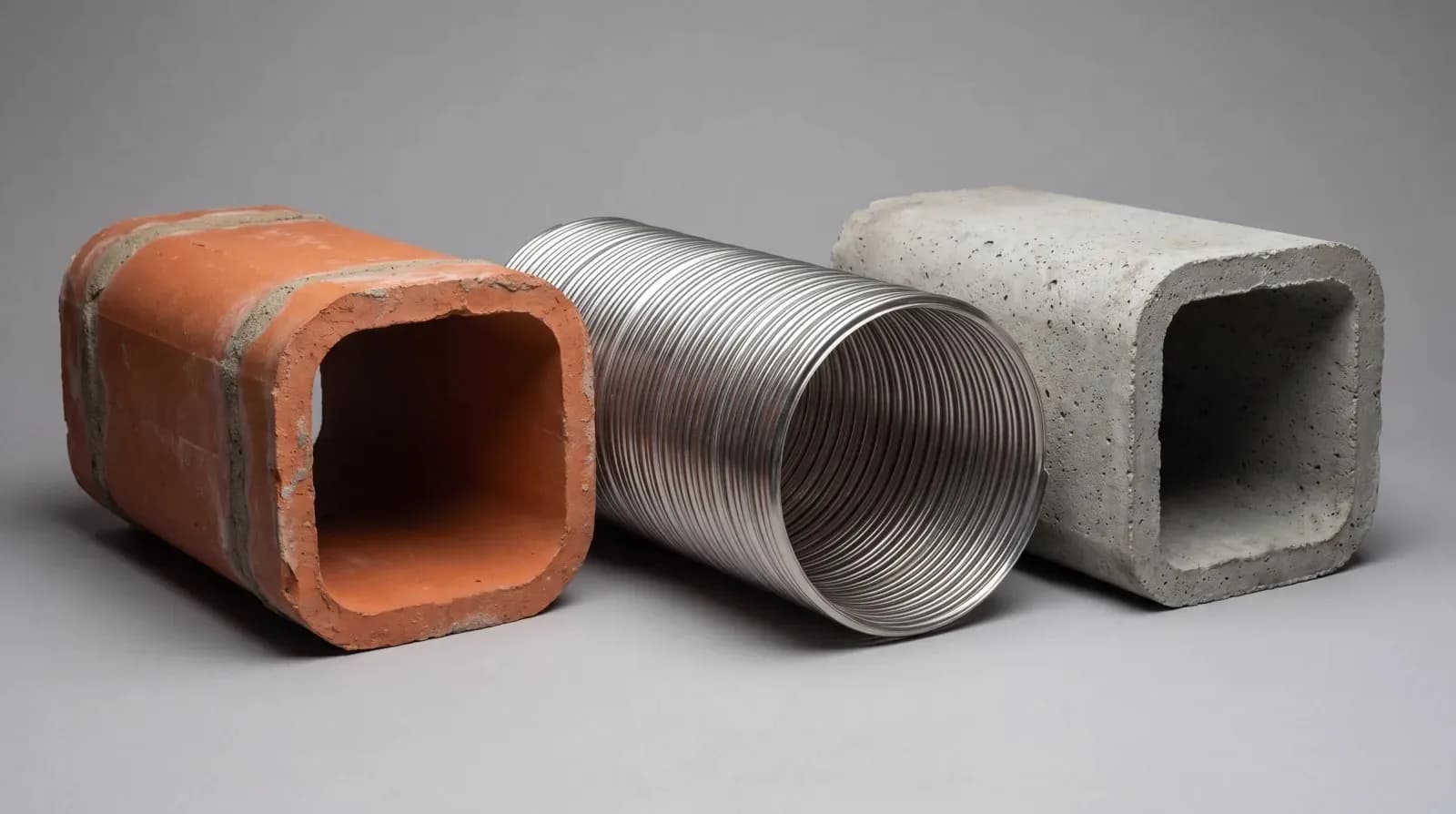
There are three primary liner systems used in Seattle homes, each suited to different situations, fuel types, and budgets.
| Liner Type | Best For | Lifespan | Seattle Cost Range |
|---|---|---|---|
| Clay Tile (repair/repoint) | Minor cracks in otherwise intact liner | 50+ years if intact | $900–$1,800 |
| Stainless Steel (flexible) | Most wood, gas, and oil appliances | 25–50 years | $1,800–$2,800 |
| Stainless Steel (rigid) | Straight flues, high-output wood stoves | 25–50 years | $1,600–$2,400 |
| Cast-in-Place | Severely deteriorated or non-standard flues | 50+ years | $3,200–$5,500 |
How Do You Know Which Liner Type Is Right for Your Seattle Home?
The right liner depends on three things: fuel type, flue condition, and your chimney's geometry. Here's how our techs approach the decision on every job:
- Clay tile repair makes sense only if the majority of tiles are intact and the damage is limited to a few cracked sections. Attempting to patch a liner that's 40% deteriorated is a temporary fix that rarely lasts more than 5 years.
- Flexible stainless steel (316-grade) is the right call for most Seattle homeowners upgrading an older wood fireplace, converting to a gas insert, or relining after a chimney fire. It handles bends in the flue that rigid liner cannot navigate.
- Rigid stainless steel is ideal for straight, vertical flues — common in post-1980 construction and many West Seattle homes with simple chimney designs. It offers slightly better draft than flexible liner.
- Cast-in-place is used when the flue is irregularly shaped, severely spalled, or when a structural element of the chimney has failed. It's also required for certain high-BTU oil appliances under WAC 51-51 standards.
For gas fireplace and insert applications, our gas fireplace specialists size the liner to the appliance's BTU output and manufacturer spec — improper sizing is a common cause of draft problems and carbon monoxide issues.
What Do Seattle Building Codes Say About Chimney Liners?
In Washington State, chimney liners are governed by WAC 51-51 (Washington State Building Code) and NFPA 211 (Standard for Chimneys, Fireplaces, Vents, and Solid Fuel-Burning Appliances). Key requirements include:
- All new gas appliance installations require a properly sized liner — undersizing or using an existing oversized flue without relining is a code violation in Seattle.
- Level 2 inspections are required before any liner is installed or replaced, and whenever a property changes hands (per NFPA 211 Section 15.1).
- Stainless steel liners must meet UL 1777 listing — we only use UL-listed liner systems. Unlisted liners are not code-compliant in Washington.
- Permits are required for liner installations in Seattle when combined with a new gas appliance installation. We handle permit paperwork for all projects where required.
- Annual inspections are recommended (NFPA 211) and required by many Washington homeowner insurance policies to maintain fire coverage on wood-burning systems.
See our guide to Washington State chimney safety codes for a full breakdown of local requirements.
How Long Does a Chimney Liner Last in Seattle's Climate?
Seattle's climate accelerates liner deterioration compared to drier regions. The main culprit is condensation: when warm flue gases hit the cold exterior of an unlined or undersized flue, moisture condenses inside the flue and attacks the mortar and tile from within. Our annual inspection data shows that clay tile liners in Seattle pre-1970 homes deteriorate 30–40% faster than the national average cited in NFPA data.
In our experience across 700+ inspections per year, we find that stainless steel liners installed correctly in Seattle homes show minimal degradation at the 15-year mark — even in high-use wood-burning systems. Cast-in-place liners have the best longevity of all, as the monolithic material eliminates the joint-failure pattern that eventually affects both clay and stainless installations.
Annual sweeping — which removes acidic creosote that accelerates liner corrosion — is the single best thing Seattle homeowners can do to extend liner life. See our chimney sweep service page for sweep pricing and scheduling.
Ready to Get Your Chimney Liner Assessed?
Whether you're facing a failed inspection, planning a gas insert installation, or just noticed your fireplace isn't drafting the way it used to, our CSIA-certified team can assess your liner and give you a clear, written recommendation. We serve all 45 Seattle metro areas and carry stock of the most common liner sizes for same-week installation. Call (206) 278-2924 or request an estimate online. Most liner assessments are completed during your Level 1 or Level 2 inspection at no extra charge.
Need professional help?
Our professionally trained team is ready. $99 inspection credited toward repairs, 30-minute response.